
How to Choose a 3PL in Singapore: The Complete Checklist (2026)
Most Singapore ecommerce sellers pick a 3PL based on price alone — then spend the next six months firefighting late shipments, missing stock, and hidden charges. This guide gives you the full criteria, the right questions to ask, and the red flags to walk away from, so you choose a 3PL that grows with your business rather than holds it back.
Quick Answer: How to Choose a 3PL in Singapore
- Integration first: Confirm the 3PL connects directly to Shopee, Lazada, TikTok Shop, or Shopify — manual order syncing is a dealbreaker at scale.
- Demand transparent pricing: Fulfilment cost per order, storage per CBM, software fees, and minimum commitments should all be published or provided upfront.
- Check SLA specifics: Same-day or next-day cut-offs, accuracy guarantees, and escalation procedures matter more than sales pitch promises.
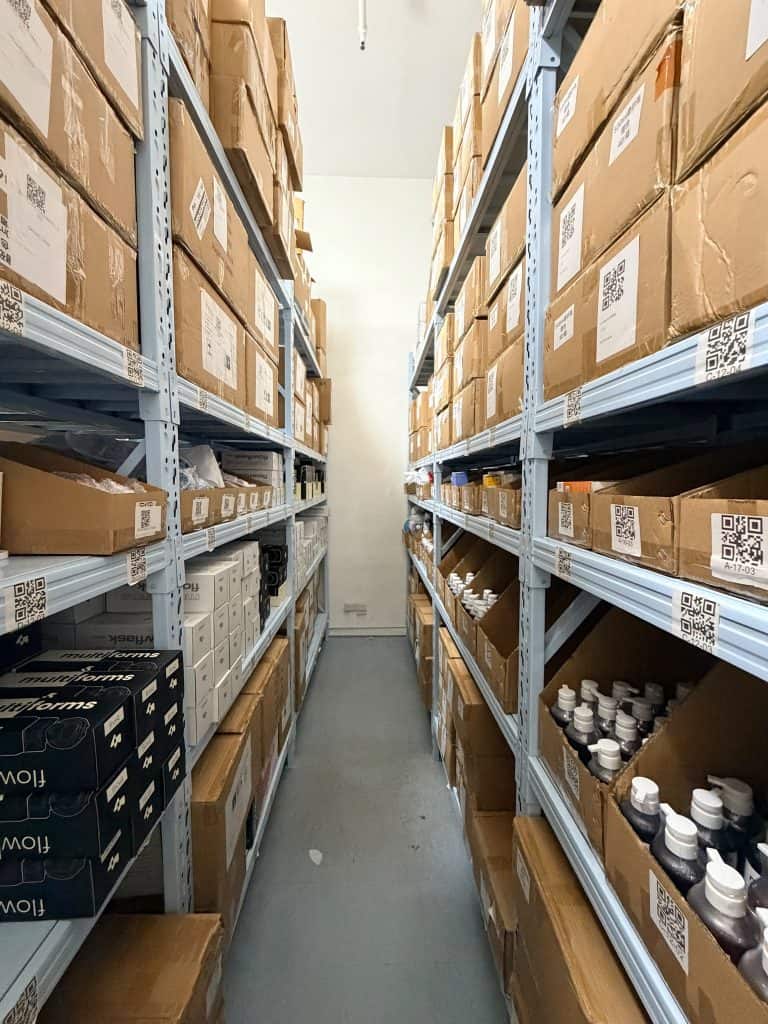
- Assess the facility: Air-conditioned, CCTV-monitored, and accessible operations (including weekends) are non-negotiable for fast-moving ecommerce.
- Verify scalability: A 3PL that works for 50 orders a day needs to handle 500 during a 9.9 mega-sale without breaking.
Stat: According to research by Logistics Bureau, 73% of businesses that switch 3PL providers cite hidden fees and poor communication as the primary reasons — not price.


The checklist above is the short version. But here is the uncomfortable truth: most sellers who follow it still get burned, because they know *what* to look for but not *why* it matters or how to verify it in a sales conversation. A 3PL that ticks every box on paper can still wreck your seller ratings on Shopee if their pick-and-pack accuracy slips during peak season. The rest of this guide fills in those gaps — so you walk into every 3PL evaluation knowing exactly what to probe, what answers should raise an eyebrow, and what a genuinely well-run fulfilment operation looks like in practice.
Singapore’s Trusted 3PL Partner
Fulfilment from S$2/Order
No minimum volume. Same-day dispatch. Shopee, Lazada, TikTok Shop, Shopify — all in one place.
No contracts · No setup fees · Start in 3 days
Why Choosing the Wrong 3PL Is So Costly
The damage from a poor 3PL choice rarely shows up on a single invoice. It compounds quietly, across every channel, every week.
Late shipments erode your seller ratings on Shopee and Lazada — platforms where a drop from 4.9 to 4.7 stars meaningfully reduces your search visibility. Inaccurate picks generate return requests, negative reviews, and replacement costs that no SLA refund will fully cover. And when a 3PL’s system does not talk to your storefront, your team ends up manually processing orders, which defeats the entire point of outsourcing fulfilment in the first place.
There is also the cost of switching. Migrating inventory from one warehouse to another mid-operation means a period of reduced capacity, double-handling fees, and the very real risk of stockouts during the transition. The average Singapore ecommerce seller who switches 3PL providers spends two to four weeks in operational limbo. For a business running Shopee flash deals or a TikTok Shop LIVE campaign, that window is catastrophically bad timing.
The financial exposure is more direct too. Some 3PLs lock clients into minimum monthly commitments or long notice periods. Others build their real margin into fuel surcharges, handling fees, and re-labelling charges that were never disclosed during onboarding. By the time you notice, you are either stuck in contract or facing an exit fee that neutralises whatever savings you thought you were making.
Choosing well the first time is not just convenient — it is economically significant.
The 7 Things to Check Before Signing With a 3PL
1. Platform Integration Depth
The first question to ask is not about price. It is about systems. Does the 3PL have a native, maintained integration with the specific platforms you sell on — Shopee, Lazada, TikTok Shop, Shopify? And when they say “integration,” do they mean a live, two-way sync of orders, inventory, and tracking numbers, or do they mean a manual CSV import they’ve labelled as technology?
Shallow integrations create invisible friction. Orders that require manual intervention at any point in the chain introduce delay and human error. For multichannel sellers, real-time inventory sync is especially critical — overselling on one platform because your 3PL’s system lags by four hours is a fast way to accumulate negative feedback.
Ask them to demonstrate the integration live, not just describe it. If they cannot show you orders flowing through from your storefront to their warehouse management system in real time, keep looking.
2. Pricing Transparency
Fulfilment pricing is notoriously opaque in Singapore. Many 3PLs quote a headline fulfilment cost per order — then layer on storage fees, intake fees, kitting charges, software subscription costs, fuel surcharges, and minimum monthly billings that only appear in the contract’s fine print.
A trustworthy 3PL publishes its full pricing schedule or provides it upfront without prompting. You should be able to model your monthly cost accurately before you sign anything. The key numbers to demand: fulfilment cost per order (by tier if applicable), storage cost per CBM or pallet, software or WMS access fees, and any minimum order or minimum spend commitments.
If a 3PL is vague about pricing during the sales process, that vagueness does not go away once you are a client.
3. Warehouse Conditions and Location
For ecommerce inventory — particularly beauty, food supplements, electronics accessories, and lifestyle products — warehouse conditions directly affect product quality. An uncontrolled-temperature facility in Singapore’s humidity can cause packaging to warp, adhesives to fail, and moisture-sensitive products to degrade.
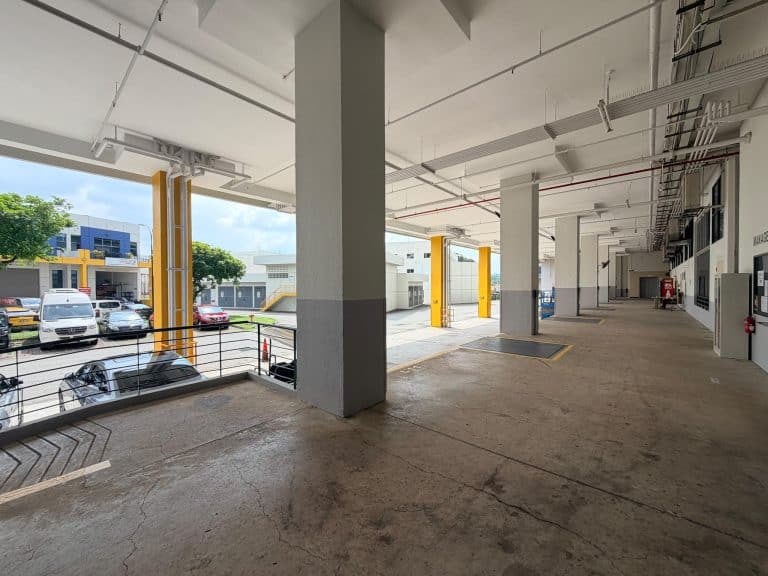
Air-conditioning is a meaningful differentiator, not a premium luxury. So is 24-hour CCTV monitoring, which matters for both stock security and dispute resolution when a client needs footage to verify a mis-pick claim. Location also matters operationally: proximity to last-mile delivery hubs reduces transit time, and a warehouse near major arterial roads reduces the complexity of inbound container deliveries.
4. Operating Hours
Ecommerce does not stop on weekends. Shopee’s biggest sales events — 9.9, 10.10, 11.11 — routinely run across Saturdays and Sundays, generating order spikes that need to be dispatched promptly. A 3PL that operates Monday to Friday only will either hold your weekend orders for Monday processing (devastating for your SLA) or charge premium overtime rates that were not part of your original quote.
7-day warehouse operations should be considered standard for any 3PL serving the Singapore ecommerce market.
5. Scalability and Peak Capacity
Ask directly: what is your maximum throughput per day, and what is your current utilisation rate? A 3PL running at 90% capacity on a normal Tuesday has almost no headroom for a peak sale event. During a major promotional campaign, that constraint becomes your problem — not theirs.
Good 3PLs have documented protocols for peak periods: pre-advised staffing plans, overflow procedures, and honest communication about cut-off dates for inbound stock. If a 3PL cannot answer capacity questions with specifics, it is a sign their operations are reactive rather than planned.
6. SLA Clarity and Accountability
A service level agreement is only as useful as its specifics. “Fast shipping” is not an SLA. The numbers that matter: same-day processing cut-off time, picking accuracy rate (industry standard is 99.5% or above), and the process for handling claims when errors occur. Equally important is how errors are communicated — do they proactively flag issues, or do you find out when a buyer leaves a 1-star review?
Ask for a sample SLA document before you sign, not after. Review the claims process, the remediation timeline, and what compensation (if any) applies when accuracy targets are missed.
7. Software and Reporting Access
You should be able to see your inventory in real time, pull historical movement reports, and track individual orders without having to email or call the 3PL. A warehouse management system (WMS) with client-facing visibility is the baseline expectation. Anything less means you are operating blind, and blind operations cannot be optimised.
Also check whether WMS access is included in the core fee or billed as a separate software subscription. A $0 software fee is a genuine differentiator that simplifies cost modelling.
BrickHub Services
Warehousing · Pick & Pack · Last Mile Delivery · TikTok Shop Fulfilment
Red Flags to Watch Out For
How Do You Know If a 3PL’s Pricing Is Transparent?
The clearest signal is whether pricing is published on their website. In Singapore’s 3PL market, this remains uncommon — most providers require you to submit an enquiry form before they will quote. That approach is not inherently dishonest, but it does make comparison harder and negotiation slower.
A genuinely transparent 3PL will either publish their rate card publicly or provide it during a first conversation without qualification. Watch out for these specific red flags during pricing discussions:
“It depends on your volume” is a reasonable answer for flat-rate pricing — but if a 3PL cannot give you indicative numbers at any volume, they are likely structuring fees to obscure total cost.
Bundled pricing that does not break out storage, handling, and fulfilment separately makes it impossible to identify where costs are concentrated or where you might optimise.
No published minimum commitments. If a 3PL is vague about whether there is a minimum monthly spend, there almost certainly is one — and it is likely higher than you would agree to if it were stated plainly upfront.
Software fees buried in the contract. Some 3PLs charge S$150–S$300 per month for WMS access as a separate line item. This should be disclosed before negotiation, not discovered during contract review.
Beyond pricing, other red flags include: a 3PL that cannot demonstrate its platform integrations live; a facility you are not allowed to visit before signing; a sales team that is responsive before signing but hard to reach afterwards (check Google Reviews for this pattern); and any contract with an exit notice period exceeding 30 days.

Questions to Ask a 3PL Before You Commit
These are the questions that separate prepared buyers from sellers who sign and regret:
On integration: “Can you show me a live demo of how an order flows from my Shopee or Shopify storefront into your system? What happens if the sync fails?”
On pricing: “Can you give me a full cost breakdown — fulfilment per order, storage per CBM, software, intake, and any minimum commitments — in writing before I sign?”
On accuracy: “What is your current pick-and-pack accuracy rate, and how do you handle mis-pick claims? What is the resolution timeline?”
On capacity: “What is your daily order throughput capacity, and how do you handle volume surges during major sales events like 11.11?”
On operations: “Do you operate 7 days a week? What are your processing cut-off times for same-day dispatch?”
On transparency: “Can I visit the warehouse before committing? What does client access to inventory data look like in practice?”
On exit: “If I need to transition my inventory to another provider, what is the notice period and what does the offboarding process look like?”
The quality of answers to these questions tells you more about a 3PL than their marketing deck ever will.
500+
Singapore ecommerce sellers trust BrickHub
🏆 Singapore’s Leading Ecommerce Fulfilment Partner — Self Storage, 3PL & Last Mile Delivery | Rated 5⭐ on Google | Trusted by 200+ Singapore Ecommerce Sellers
Similar Posts
Ecommerce Fulfilment Singapore (2026): The Complete Guide for Shopee, Lazada & Shopify Sellers
=== POST 720 FULL CONTENT === Singapore’s Most Accountable 3PL BrickHub — Storage from $100/CBM · Pick & Pack from $2/order · Delivery from $2.90 Start Outsourcing Your Fulfilment Today → Singapore’s ecommerce market hit US$5.04 billion in 2024, and with 98.4% internet penetration, the competition for fast, accurate delivery has never been tighter. For…
Last Mile Delivery Singapore (2026): The Ecommerce Seller’s Guide to Faster, Cheaper Fulfilment
Singapore’s Most Accountable 3PL BrickHub — Storage from $100/CBM · Pick & Pack from $2/order · Delivery from $2.90 Cut Delivery Costs from $2.90/Parcel → For ecommerce sellers in Singapore, last-mile delivery is where orders are won or lost — and where most of your logistics cost actually lives. Getting a parcel from your warehouse…
Best 3PL Provider Singapore: Top Companies for Ecommerce Sellers (2026)
BLUF Choosing the best 3PL in Singapore comes down to three things: platform integration, pricing transparency, and operational reliability. For SME sellers on Shopee, Lazada, or TikTok Shop, the difference between a good 3PL and the wrong one can be the difference between scaling your business and drowning in fulfilment errors. This guide breaks down…
3PL Singapore: The Complete Guide to Third Party Logistics for Ecommerce Sellers (2026)
Singapore’s Most Accountable 3PL BrickHub — Storage from $100/CBM · Pick & Pack from $2/order · Delivery from $2.90 Get a 3PL Quote — Free in 24 Hours → Singapore’s ecommerce market reached US$5.04 billion in 2024, and the sellers capturing that growth share one thing in common: they stopped packing orders themselves. Outsourcing fulfilment…
Document Storage Singapore: Secure, PDPA-Compliant Offsite Record-Keeping (2026)
Every Singapore business accumulates paper — contracts, HR records, financial documents, client files — and running out of office space to store them safely is a near-universal problem. Document storage in Singapore solves two distinct challenges at once: it removes physical clutter from your workspace and ensures your records are stored in compliance with Singapore’s…
Long Term Storage Singapore: Monthly vs Yearly Rates & When It Makes Sense (2026)
Long term storage in Singapore is a remarkably common need — and yet most people only discover how to do it properly after they’ve already made an expensive mistake. Whether you’re an expat heading overseas on a posting, an HDB upgrader waiting for your new flat to be completed, or a business holding seasonal stock,…