
3PL Singapore: The Complete Guide to Third Party Logistics for Ecommerce Sellers (2026)
Singapore’s Most Accountable 3PL
BrickHub — Storage from $100/CBM · Pick & Pack from $2/order · Delivery from $2.90
Singapore’s ecommerce market reached US$5.04 billion in 2024, and the sellers capturing that growth share one thing in common: they stopped packing orders themselves. Outsourcing fulfilment to a 3PL gives Shopee, Lazada, TikTok Shop and Shopify sellers the operational backbone to scale without renting warehouses, managing headcount, or losing weekends to bubble wrap. If your back room is overflowing and your packing time is eating into your selling time, a third party logistics provider in Singapore is the structural fix — not a luxury.
- 3PL (third party logistics) means outsourcing your storage, pick & pack and last-mile delivery to a specialist provider — you sell, they ship
- Storage in Singapore starts from $100/CBM/month at BrickHub, billed on actual space used with no minimum block requirements
- Pick & pack from $2 per order; last-mile delivery from $2.90 per parcel via SPX, J&T and SingPost
- Leading Singapore 3PLs integrate directly with Shopee, Lazada, TikTok Shop, Shopify, Zalora and Amazon Fresh — no manual CSV uploads
- Singapore’s internet penetration stands at 98.4% (DataReportal, October 2025), sustaining a US$5.04 billion ecommerce market (Statista, 2024) where fast, accurate fulfilment is table stakes
The real challenge isn’t finding a 3PL in Singapore — it’s identifying one whose pricing doesn’t punish you as you grow, whose warehouse team actually handles your products with care, and who can process a flash sale’s worth of orders on a Saturday afternoon without going dark for the weekend.
What Is a 3PL and Why Singapore Ecommerce Sellers Are Making the Switch
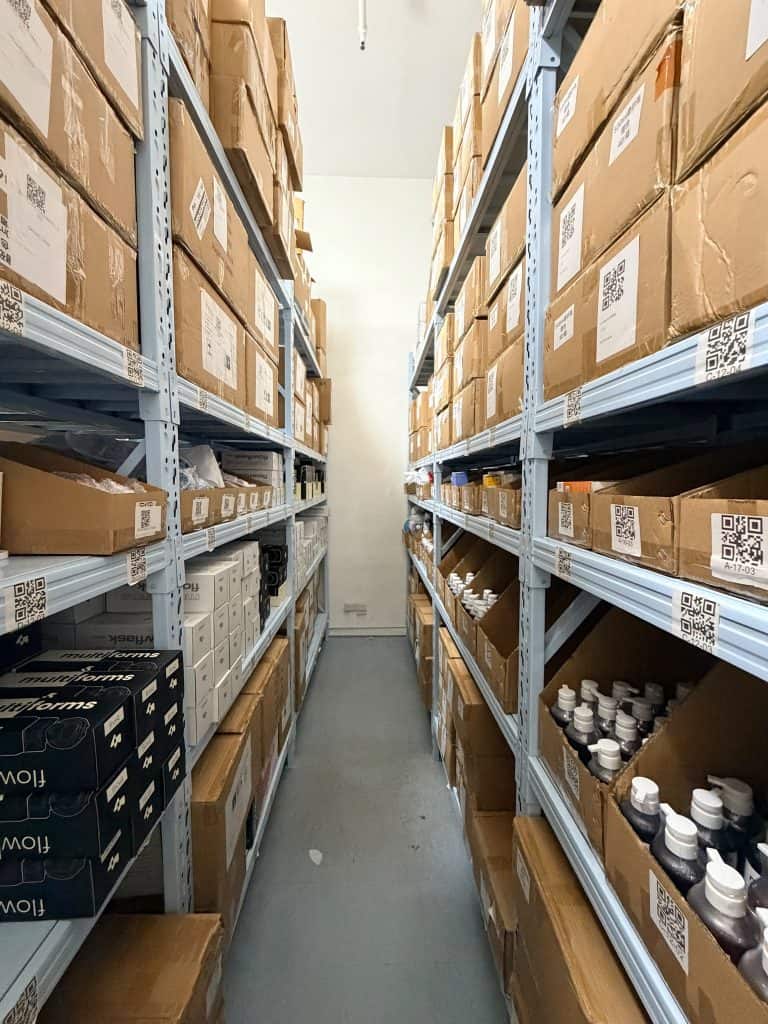
A third party logistics provider takes on the physical layer of your ecommerce operation entirely. They receive stock from your suppliers, store it in a managed warehouse, pick and pack individual orders as they come in from your selling channels, and hand them over to last-mile couriers for delivery. You retain full control over your listings, pricing, and customer relationships. They own everything between goods arriving in Singapore and the parcel landing at your buyer’s door.
The business case is straightforward once you run the numbers. Singapore’s ecommerce market is valued at US$5.04 billion (Statista, 2024), and with 98.4% internet penetration (DataReportal, October 2025), the consumer base is essentially fully online and increasingly impatient. Shopee alone reports over 2 million active sellers across Southeast Asia competing for that same wallet share. In that environment, two-day delivery and accurate packing are the minimum standard buyers expect. A seller packing orders from a HDB storeroom at midnight cannot sustain that benchmark as volume grows.
The financial maths also tend to favour outsourcing earlier than most sellers anticipate. When you account honestly for your own time, the cost of renting any commercial storage space in Singapore, consumables, and the opportunity cost of hours not spent on sourcing or marketing — self-fulfilment is almost always the more expensive model at any meaningful order volume. The tipping point is typically somewhere between 50 and 150 orders per month.
What to Look for When Evaluating a 3PL in Singapore
Platform Integration Is the Non-Negotiable
If a 3PL cannot connect directly to your selling channels, you will spend the rest of your trading life exporting CSV files and manually uploading tracking numbers — a workflow that is both tedious and error-prone. Any serious third party logistics Singapore ecommerce provider should offer native, two-way integration with Shopee and Lazada as a baseline. TikTok Shop connectivity is now critical given the platform’s explosive growth trajectory in Southeast Asia. Shopify matters if you operate a direct-to-consumer store alongside your marketplace presence, and Zalora and Amazon Fresh matter for sellers in fashion or fresh/grocery categories respectively.
Two-way sync is the key specification: not just pulling orders in, but pushing tracking numbers back to the platform automatically. Without that return flow, your seller metrics suffer and your customer service inbox fills with “where is my order?” queries that should never have been generated.
Transparent, Usage-Based Pricing
The most consistent complaint about 3PL pricing in Singapore is opacity. Minimum monthly spend commitments, per-SKU storage charges, inbound receiving fees, special handling surcharges, and separate charges for returns processing — costs that appeared manageable in a sales proposal compound quickly once you are operational and dependent on the provider.
The cleaner model is fully usage-based billing: you pay for the cubic metres your stock physically occupies, the orders actually processed, and the deliveries actually made. BrickHub prices on exactly this basis. Storage is billed at $100/CBM/month on actual space used. Pick and pack is $2 per order. Last-mile delivery starts at $2.90 per parcel. There are no software fees, no WMS subscription charges, and no minimum monthly commitment.
Operating Hours and Physical Handling Standards
Singapore marketplace sellers running Shopee flash sales, Lazada Super Brand Day campaigns or TikTok Shop live streams know that order surges do not respect the Monday-to-Friday working week. A fulfilment partner that closes on weekends creates a packing backlog that directly damages your seller rating, your on-time delivery metrics, and your buyer reviews. Singapore’s robust digital infrastructure, championed by IMDA, means logistics integrations with major marketplaces are increasingly seamless for compliant 3PL providers.
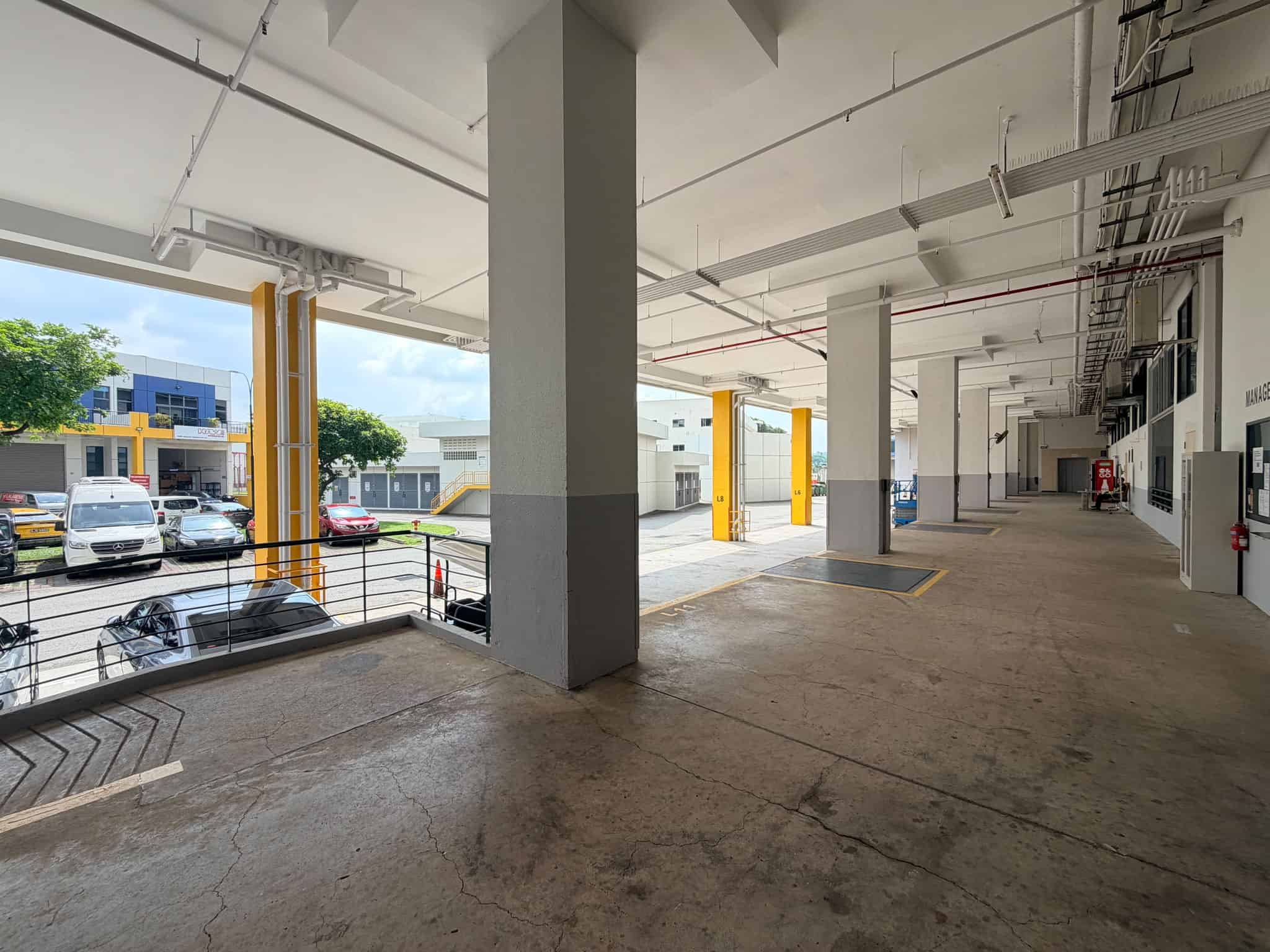
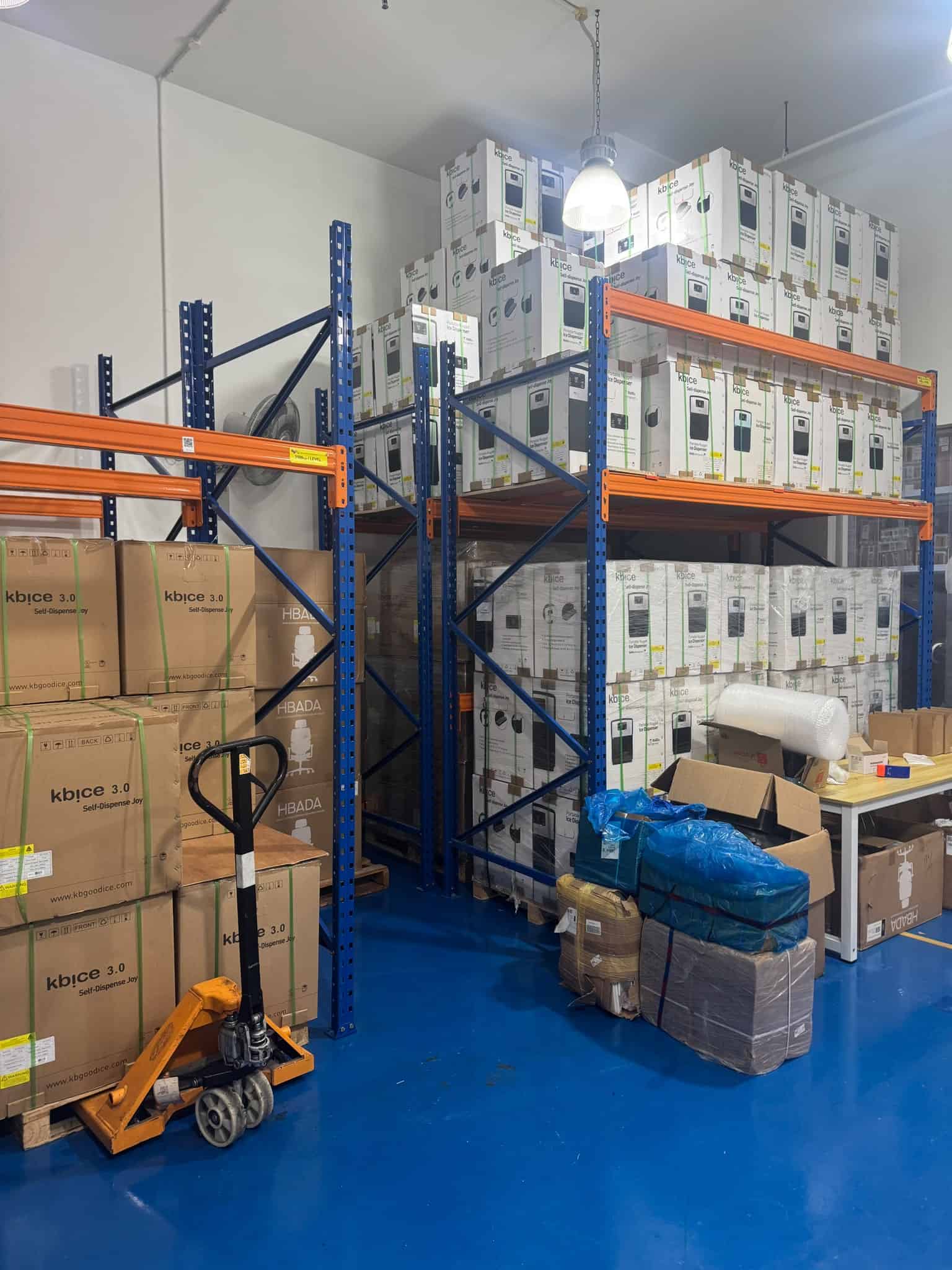
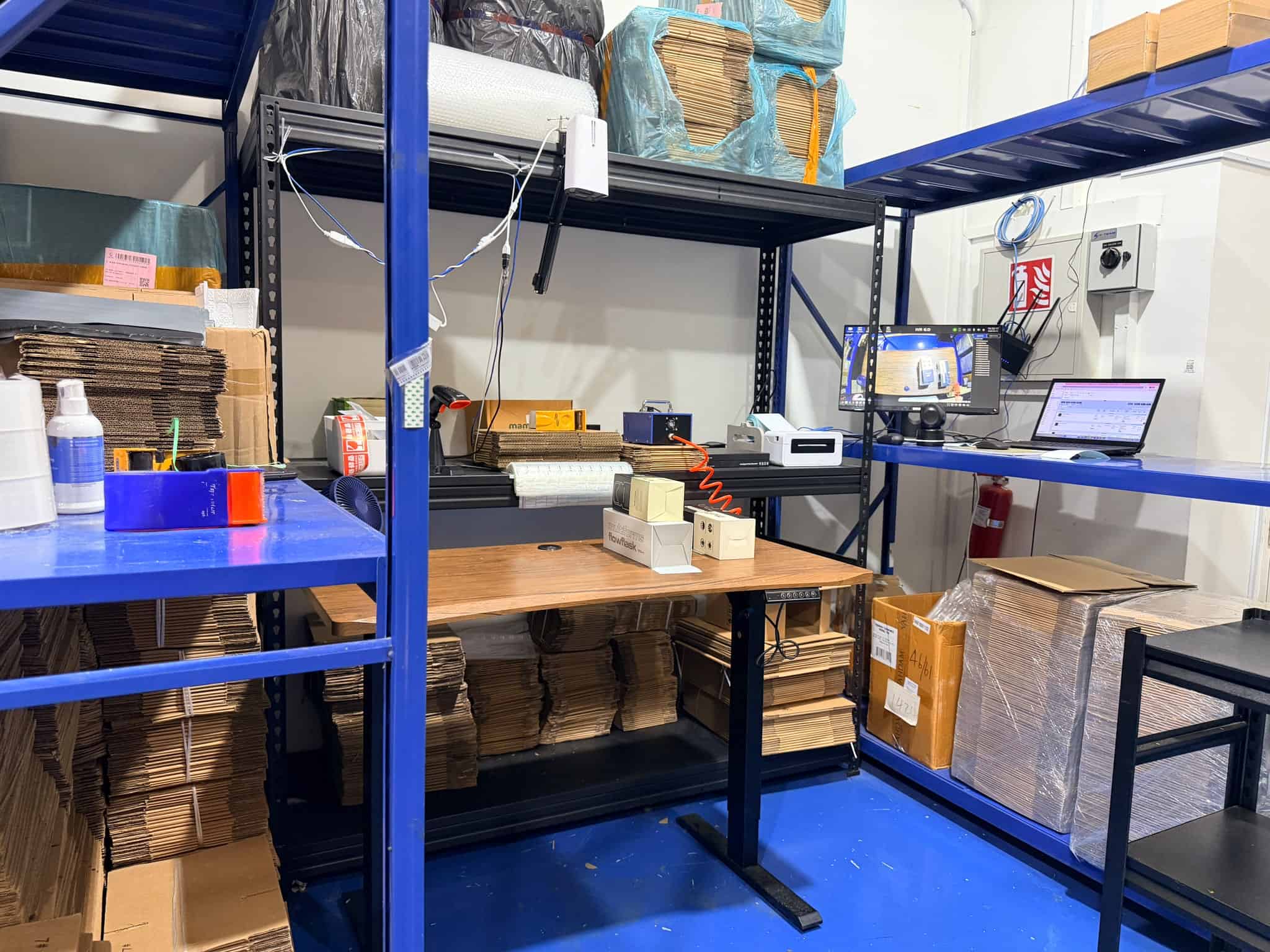
BrickHub operates seven days a week including weekends and public holidays, from their warehouse at Trade Hub 21 in Boon Lay. The facility is CCTV-monitored throughout, and the team operates a strict no-throw handling policy. That last specification matters more than it sounds: sellers moving skincare, electronics, ceramics, or any product category where transit damage generates refund requests need a warehouse whose standard operating procedure treats each parcel with care.
How BrickHub Compares to Other 3PL Providers in Singapore
The 3PL companies Singapore-wide landscape and ecommerce fulfilment scene includes a range of providers serving different segments of the market. StorHub is primarily a self-storage operator rather than a fulfilment warehouse — well suited to businesses requiring overflow storage space, but without the pick-and-pack operations, ecommerce platform integrations, or last-mile courier management that a genuine 3PL provides. Anchant offers fulfilment services for SMEs and does provide marketplace connectivity, though its pricing structure is less transparently published. Floship and aCommerce are regional operators oriented towards established brands running higher-volume cross-border fulfilment, typically with minimum commitment requirements not designed for growing marketplace sellers still scaling their volume.
BrickHub’s positioning sits specifically at the intersection of transparent pricing, full Shopee/Lazada/TikTok Shop/Shopify integration, weekend operations, and no minimum order commitment — a combination designed for the operational reality of Singapore ecommerce sellers from early growth through to meaningful scale.
Disclaimer: The above comparison is based on publicly available information at the time of writing. Pricing, services and capabilities of all providers may change. Verify directly with each provider before making any commercial decision.
When Is the Right Time to Outsource Fulfilment to a 3PL in Singapore?
Three signals consistently appear in sellers who make the switch successfully: they have run out of physical storage space; their order volume has grown to the point where packing is consuming hours that should be going into sourcing or marketing; or they have experienced a fulfilment failure that cost them seller rating points or triggered a platform penalty.
For Singapore-based sellers specifically, the combination of intense platform competition, high customer delivery expectations, and the premium cost of any commercial space in the city-state makes the case for outsourced fulfilment unusually compelling relative to most other markets in the region. Programmes from Enterprise Singapore have further encouraged SME adoption of outsourced logistics as part of broader productivity and digitalisation initiatives.
Why Singapore Ecommerce Sellers Are Switching to 3PL in 2026
The shift to third party logistics Singapore providers accelerated sharply in 2026, driven by three compounding pressures that have made self-fulfilment increasingly untenable for growing sellers. Shopee and TikTok Shop both tightened their dispatch SLA requirements over the past 18 months, meaning sellers who miss cut-off windows face direct algorithmic suppression — not just a delayed delivery, but suppressed product visibility in the next campaign cycle. For multi-channel sellers juggling Lazada, Shopify, and TikTok Shop simultaneously, manual order processing has simply broken down.
Same-day and next-day delivery have shifted from premium features to buyer expectations. Singapore consumers, shaped by the speed of Shopee Mart and instant commerce, now benchmark all ecommerce delivery against those standards. Meeting that expectation from a home packing operation requires a level of courier infrastructure and daily operational commitment that most sellers cannot sustain as they scale. Meanwhile, commercial storage costs in Singapore remain punishing. Professional 3PL companies Singapore-wide have absorbed this challenge by pooling warehouse space across clients — making outsourced fulfilment structurally cheaper than independent storage at any meaningful order volume. The tipping point has shifted: sellers report making the switch at 50 orders per month, rather than the 150+ figure cited two years ago, as platform SLA enforcement has tightened and the cost gap between in-house and outsourced operations has narrowed.
How to Choose the Right 3PL Provider in Singapore
Selecting among 3PL providers in Singapore requires looking beyond headline pricing. Four criteria consistently separate strong partners from problematic ones.
SLA guarantees: Your 3PL’s dispatch reliability directly determines your platform seller scores. Before committing, request documented on-time dispatch rates across flash sale periods — not just standard trading days. A provider who cannot show you performance data under surge conditions is a risk you cannot afford to take.
Multichannel integration: A serious 3PL provider offers native, two-way integration with your selling channels — orders pull in automatically, tracking numbers push back in real time. Manual CSV workflows are a red flag for any operation above 50 orders per month.
Climate-controlled storage: Sellers in skincare, nutraceuticals, electronics, and fresh categories need temperature-managed warehousing. Singapore’s humidity makes this a practical necessity. Confirm the warehouse environment matches your product requirements before signing any contract.
Returns handling: Efficient returns processing — receiving, inspecting, and re-inducting stock into active inventory — determines how quickly returned items generate revenue again. A 3PL that cannot handle returns systematically creates dead stock and mounting refund liability. For comprehensive last mile delivery and returns management, look for a provider with clearly documented SLA for inbound returns processing.
🏆 Singapore’s Leading Ecommerce Fulfilment Partner — Self Storage, 3PL & Last Mile Delivery | Rated 5⭐ on Google | Trusted by 200+ Singapore Ecommerce Sellers
Conclusion: Choosing the Right 3PL Partner in Singapore
The right fit depends on your platform mix, your order volume, your product handling requirements, and your tolerance for pricing opacity. For Shopee, Lazada, TikTok Shop and Shopify sellers who need transparent, usage-based billing, full marketplace integration, seven-day operations, and professional handling without paying for software you didn’t ask for — BrickHub is built for exactly that use case.
WhatsApp BrickHub now to get a quote tailored to your order volume and product category.
Frequently Asked Questions
What is the difference between 3PL and self-fulfilment for Singapore ecommerce sellers?
Self-fulfilment means you personally handle storage, packing, and courier drop-off for every order. 3PL means you outsource that entire layer to a specialist who manages the warehouse, picks and packs to your specifications, and coordinates with couriers on your behalf. Self-fulfilment is viable at low volumes but typically becomes the more expensive option once you account for your own time, storage costs, and the operational complexity of managing multiple courier relationships.
How much does a 3PL cost in Singapore per month?
At BrickHub, the cost comprises three usage-based components: storage at $100/CBM/month, pick and pack from $2 per order, and last-mile delivery from $2.90 per parcel. A seller processing 300 orders per month with 2 CBM of stock would pay approximately $1,520/month, with no additional software or WMS fees.
Which 3PL providers in Singapore integrate with Shopee and Lazada?
BrickHub integrates natively with Shopee, Lazada, TikTok Shop, Shopify, WooCommerce, Amazon Fresh, and Zalora. Orders sync automatically from each platform into the fulfilment queue, and tracking numbers are pushed back to the marketplace in real time after dispatch. For sellers with international shipping requirements, BrickHub also accommodates DHL, FedEx, and Aramex for cross-border deliveries.
Does BrickHub operate on weekends and public holidays in Singapore?
Yes. BrickHub operates seven days a week including weekends and public holidays. This is particularly important for Shopee and Lazada sellers whose highest-volume days are often Saturdays and during campaign periods that coincide with public holidays.
What is the minimum order volume required to use BrickHub as a 3PL in Singapore?
BrickHub does not impose a minimum monthly order volume. You can start at any scale and grow from there. Pricing is purely usage-based, which means you are not locked into paying for fulfilment capacity you are not yet using.


2 Comments