Business Storage Singapore: Flexible Storage for SMEs, Startups & Ecommerce Brands (2026)
Singapore’s commercial real estate market makes one thing very clear: office and retail space is expensive, and using it as a storeroom is a luxury most SMEs can’t afford. Business storage in Singapore solves this problem by giving companies — from ecommerce startups to established professional services firms — a flexible, accessible offsite space for inventory, equipment, archives, and seasonal stock. This guide explains when business storage makes sense, how to choose the right solution, and what it costs in 2026.
- Business storage in Singapore ranges from SGD $100–$600+/month depending on unit size and climate control needs.
- Self-storage suits businesses with intermittent access needs and volumes up to ~500 sqft; 3PL warehousing suits higher volumes with fulfilment requirements.
- Aircon units are essential for electronics, cosmetics, pharmaceuticals, and other temperature-sensitive inventory.
- Month-to-month contracts give SMEs the flexibility to scale up or down without long-term lease commitments.
- BrickHub serves Singapore SMEs with flexible, competitively priced business storage units across multiple sizes.
The question most Singapore business owners face isn’t whether they need storage — it’s which type. Self-storage, 3PL warehousing, and managed fulfilment centres each serve different business profiles and volume thresholds. Getting this choice right means lower costs, more operational flexibility, and no paying for services you don’t actually need.
When Does a Singapore Business Need External Storage?
The trigger for most businesses is straightforward: they run out of space, or the space they have becomes too expensive to use for storage. In Singapore’s commercial property market, even a modest storeroom in a CBD office building costs SGD $500–$1,000/month in opportunity cost. When that storeroom is full of slow-moving inventory, seasonal decorations, or archived files, the business is effectively paying prime commercial rent for a warehouse function — an inefficiency that becomes obvious the moment you compare it against dedicated storage costs.
Beyond pure space, businesses also seek external storage when they need better conditions than their premises provide. Ecommerce brands storing electronics or beauty products in a HDB unit or void deck warehouse face real risk from heat, humidity, and pests. A climate-controlled self-storage unit eliminates that risk without requiring a full industrial lease.
Types of Business Storage Needs in Singapore
Inventory Overflow and Seasonal Stock
Ecommerce businesses and retailers regularly face seasonal peaks — Chinese New Year, Hari Raya, Christmas, 11.11 sales — where inventory surges well beyond what the primary location can hold. A self-storage unit provides a cost-effective overflow buffer. Unlike a warehouse lease, a self-storage contract can be scaled up for the peak period and back down afterwards, matching storage costs to actual business cycles.
Office Downsizing and Renovation Storage
When businesses right-size their office space or undergo renovation, they need temporary storage for furniture, equipment, and files. This is typically a defined period of one to six months — exactly the window where a flexible self-storage contract, rather than a warehouse lease, provides the best value.
Equipment and Asset Storage
Contractors, event companies, and field service businesses often have equipment that isn’t deployed continuously — tools, AV gear, display stands, signage, uniforms. Keeping this in a dedicated storage unit rather than in a vehicle, home, or expensive office space reduces loss risk and keeps operations organised.

Self-Storage vs 3PL Warehousing for Singapore Businesses
The distinction matters. Self-storage is self-managed — you bring your stock in, organise it yourself, and retrieve it when needed. There’s no staffing, no pick-and-pack, no system integration. This is ideal for businesses that need secure, accessible space and can manage their own inventory processes, with volumes typically up to a few hundred square feet.
3PL (third-party logistics) warehousing adds managed services: receiving, put-away, inventory tracking, pick-and-pack, and despatch. It’s appropriate when your order volume justifies the per-order cost and when you need fulfilment integrated with your ecommerce platform. In Singapore, 3PL services typically start making financial sense at order volumes above 100–200 per month, below which the per-pick cost outweighs the operational simplicity. Enterprise Singapore offers support for SMEs looking to build logistics capabilities, including grants for digital and logistics solutions. URA’s industrial zoning framework also governs where warehouse and logistics operations can legally be conducted in Singapore.
Aircon Units for Sensitive Business Inventory
Not all inventory is equal. Electronics, batteries, cosmetics, pharmaceuticals, food products, and premium goods all require climate-controlled storage to maintain quality and regulatory compliance. In Singapore’s ambient 28–32°C heat, a non-aircon storage unit is not suitable for these categories. BrickHub’s aircon units maintain consistent temperatures that protect temperature-sensitive inventory, allowing businesses to store a wider range of products without degradation or compliance risk.
Case Examples: How Singapore Businesses Use Self-Storage
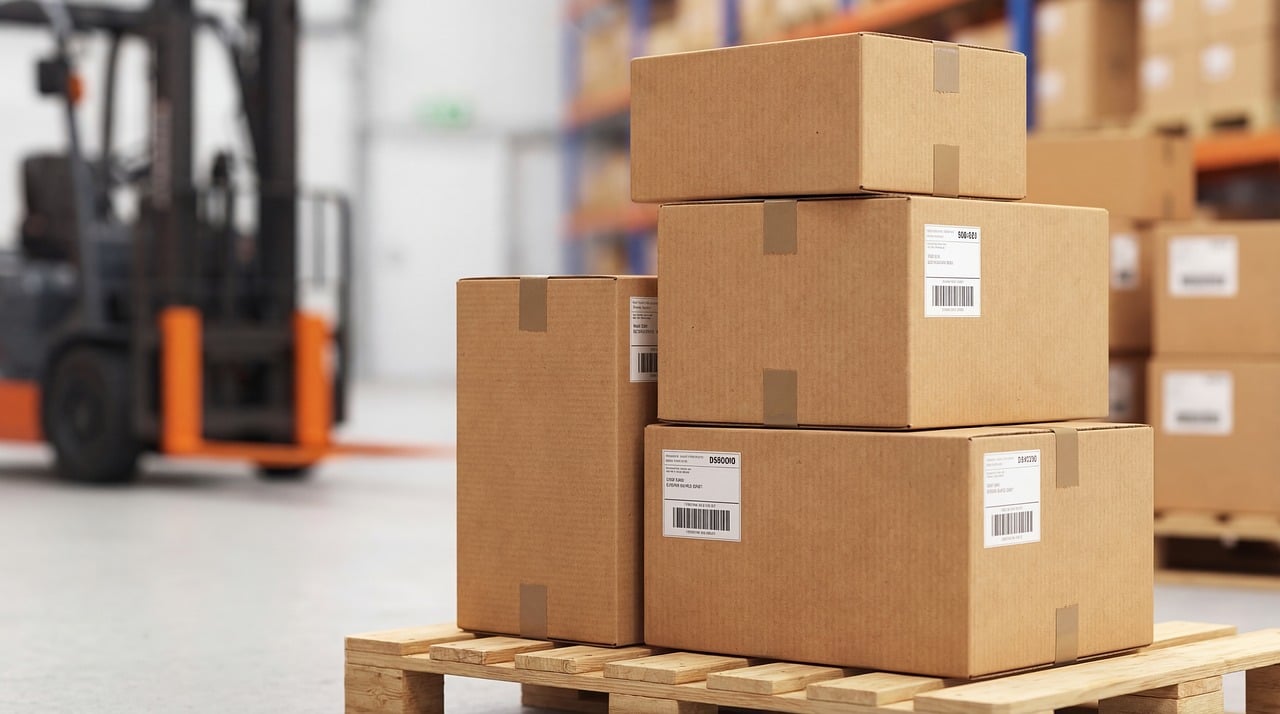
An ecommerce brand selling electronics accessories uses a 40 sqft aircon unit at BrickHub as its primary inventory hub. Orders are batched and packed twice weekly, with new stock replenished monthly. The unit costs less than a month’s worth of CBD storeroom rent, and the aircon environment protects the battery-containing products from heat-related capacity degradation.
A renovation contractor stores tools, materials samples, and display boards in an 80 sqft non-aircon unit between project sites. The month-to-month contract means they can vacate during quiet periods and scale back up when new projects start.
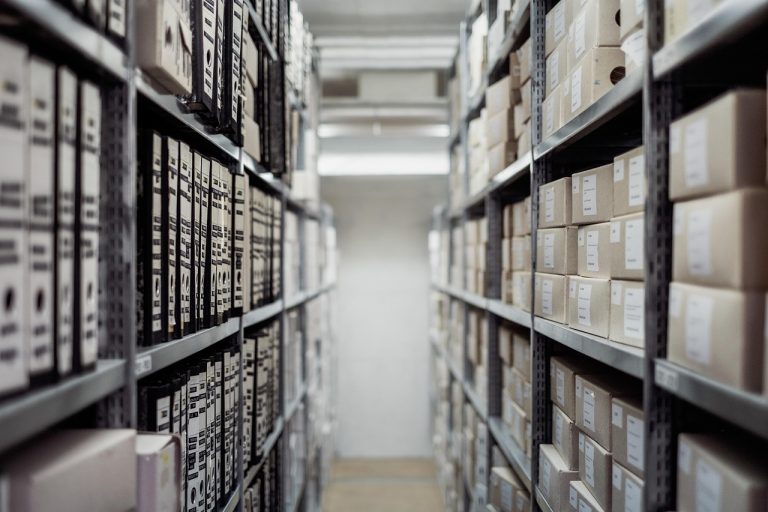
A professional services firm uses a 20 sqft aircon unit for archived client files and HR records. The CCTV-secured, access-controlled environment satisfies their PDPA obligations at a cost significantly below equivalent prime office storage space.
Why Choose BrickHub for Business Storage in Singapore?
BrickHub understands how Singapore SMEs actually operate — with variable demand, limited capital, and no appetite for long-term lease commitments. Our business storage units offer month-to-month flexibility, competitive pricing, and aircon options for sensitive stock. Whether you’re an ecommerce startup needing your first inventory unit or an established SME right-sizing your storage footprint, BrickHub provides the space you need without the overhead of a full warehouse. Contact BrickHub today to discuss your business storage requirements.
Flexible Storage for Singapore SMEs
Scale Your Storage as Your Business Grows
BrickHub’s business storage units are month-to-month, aircon-ready, and sized for Singapore SMEs — from startup inventory to enterprise archive. No long-term lock-in.
🏆 Singapore’s Leading Ecommerce Fulfilment Partner — Self Storage, 3PL & Last Mile Delivery | Rated 5⭐ on Google | Trusted by 200+ Singapore Ecommerce Sellers
Conclusion: Flexible Business Storage Built for Singapore SMEs
Business storage in Singapore doesn’t have to mean expensive warehouse leases or cramped office storerooms. Self-storage units provide SMEs, startups, and ecommerce brands with the flexible, accessible, and affordable space they need to operate efficiently. BrickHub’s range of unit sizes, aircon options, and month-to-month contracts are designed specifically for the Singapore business environment. Get in touch with BrickHub and find the right business storage solution for your company today.
Frequently Asked Questions
What is business storage and when do Singapore SMEs need it?
Business storage refers to external, offsite space used by companies to store inventory, equipment, archives, or seasonal stock. Singapore SMEs typically need it when onsite space runs out or becomes too expensive relative to what’s being stored. Common triggers include inventory overflow, office renovation, seasonal stock surges, and post-expansion rightsizing.
How much does business storage cost in Singapore per month?
Business storage in Singapore costs between SGD $100 and $600+ per month depending on unit size and whether aircon is required. A small 20 sqft aircon unit (suitable for a startup’s starter inventory) starts from around SGD $100–$150/month; an 80 sqft aircon unit for a more established SME costs SGD $270–$380/month.
Can I store ecommerce inventory in a self-storage unit in Singapore?
Yes. Self-storage units are widely used by Singapore ecommerce businesses for inventory storage and order preparation. For temperature-sensitive products (electronics, cosmetics, supplements), an aircon unit is essential. Access frequency and volume will determine whether self-storage or a 3PL fulfilment centre is more economical — self-storage is typically more cost-effective below 100–200 orders per month.
What’s the difference between self-storage and a 3PL warehouse for businesses?
Self-storage provides space that you manage yourself — you organise, access, and manage your own inventory. A 3PL warehouse provides managed services including receiving, inventory tracking, pick-and-pack, and despatch. Self-storage is cheaper and more flexible; 3PL adds operational support at a per-unit or per-order cost. The right choice depends on your order volume, fulfilment complexity, and available internal resources.
How do I choose the right storage unit size for my business in Singapore?
Start with your current inventory volume and project 6–12 months forward. A 20 sqft unit holds roughly 20–30 standard cartons; 40 sqft holds 50–70 cartons; 80 sqft holds 100–130+ cartons. Visit the facility with a rough count of what you’re storing and ask for a unit recommendation. It’s generally better to size up slightly for operational ease — cramped units lead to damaged stock and inefficient picking.
Further Reading
- Warehousing Services in Singapore: What SMEs Need to Know Before Signing a Contract (2026) — for businesses scaling beyond self-storage into full warehousing.
- Ecommerce Warehousing Singapore: Why Generic Isn’t Good Enough — ecommerce-specific warehousing considerations for Shopee/Lazada sellers.
- Self Storage Singapore: The Complete Guide to Finding and Renting a Unit in 2026 — the complete guide to finding and renting a unit in Singapore.
Similar Posts
Shopify Fulfilment Singapore (2026): How to Automate Orders Without Shopify’s Own Network
If you’re running a Shopify store in Singapore and wondering how to outsource your fulfilment, you’ve probably hit a wall: Shopify’s own Fulfilment Network (SFN) simply isn’t available here. The good news is that a local, Shopify-integrated 3PL can give you everything SFN promises — automated order syncing, professional pick and pack, and next-day local…
Inventory Management Singapore (2026): How to Keep Stock Lean Without Losing Sales
Inventory management for Singapore ecommerce brands — stock control methods, safety stock calculation, how 3PL warehousing reduces overstock and stockouts.
Last Mile Delivery Singapore (2026): The Ecommerce Seller’s Guide to Faster, Cheaper Fulfilment
Singapore’s Most Accountable 3PL BrickHub — Storage from $100/CBM · Pick & Pack from $2/order · Delivery from $2.90 Cut Delivery Costs from $2.90/Parcel → For ecommerce sellers in Singapore, last-mile delivery is where orders are won or lost — and where most of your logistics cost actually lives. Getting a parcel from your warehouse…
Freight Forwarding Singapore (2026): Air, Sea & Land Options Explained
Complete guide to freight forwarding in Singapore — air freight, sea freight, land transport, costs, transit times, and how to choose the right forwarder for your ecommerce business.
Warehouse Storage Singapore: When Self-Storage Isn’t Enough for Your Business (2026)
At some point, a growing Singapore business outgrows its self-storage unit. When orders exceed what you can pack from a locker, when B2B shipments require loading docks and pallet moves, or when your stock requires dedicated receiving and inventory management, it’s time to consider warehouse storage in Singapore. This guide explains the real difference between…
Document Storage Singapore: Secure, PDPA-Compliant Offsite Record-Keeping (2026)
Every Singapore business accumulates paper — contracts, HR records, financial documents, client files — and running out of office space to store them safely is a near-universal problem. Document storage in Singapore solves two distinct challenges at once: it removes physical clutter from your workspace and ensures your records are stored in compliance with Singapore’s…