Warehouse Storage Singapore: When Self-Storage Isn’t Enough for Your Business (2026)
At some point, a growing Singapore business outgrows its self-storage unit. When orders exceed what you can pack from a locker, when B2B shipments require loading docks and pallet moves, or when your stock requires dedicated receiving and inventory management, it’s time to consider warehouse storage in Singapore. This guide explains the real difference between self-storage and warehousing, when to make the switch, and what Singapore businesses pay per square foot in 2026.
- Warehouse storage in Singapore costs approximately SGD $2.50–$5.00 psf/month for industrial zones, depending on location, spec, and lease term.
- Key difference from self-storage: warehouses offer loading docks, pallet racking, forklift access, and optional 3PL services.
- Main industrial zones: Jurong, Tuas, Ubi, Paya Lebar, Tampines — each with different transport access and price points.
- SMEs can access flexible warehouse space through 3PL providers and co-warehousing solutions without a full industrial lease.
- BrickHub bridges the gap between self-storage and full-scale warehousing with flexible warehousing and 3PL services.
The self-storage-to-warehouse transition is one of the most significant logistics decisions a Singapore business makes. Getting the timing right — moving too early means paying for infrastructure you don’t need; moving too late means operational bottlenecks that cost you more in lost efficiency than the warehouse would have — is critical. This guide gives you the framework to make that call with confidence.
Self-Storage vs Warehouse Storage: What’s the Real Difference?
Self-storage units are designed for access by individuals using trolleys and lifts. They’re organised for human-scale retrieval — you walk in, locate your items, and carry or trolley them out. The infrastructure is minimal: shelving is self-provided, there’s no forklift access, no loading dock, and no managed logistics process. This is perfectly suited for businesses storing 20–300 sqft of goods that don’t require palletised movement or integrated fulfilment.
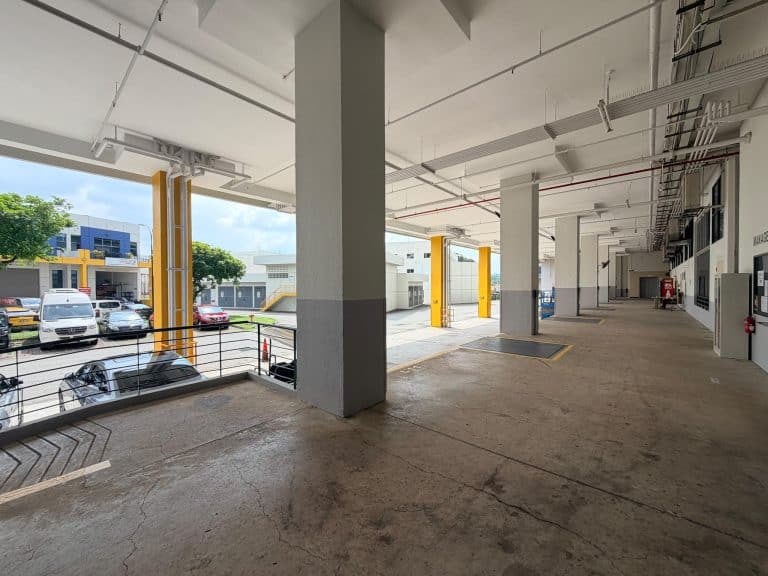
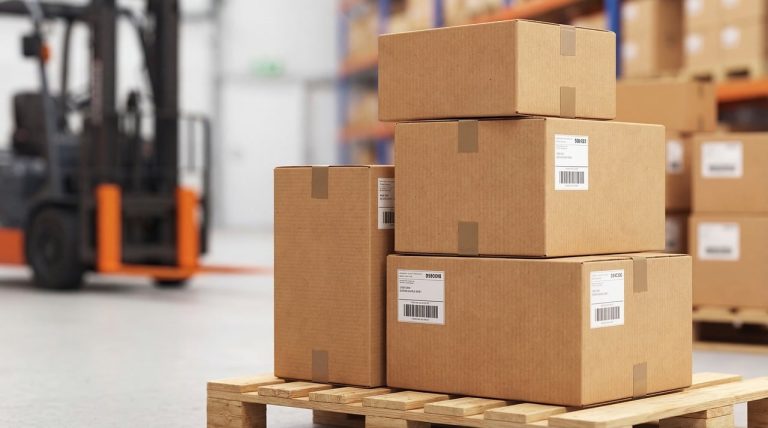
Warehouse storage is designed for commercial logistics operations at scale. Key features include loading docks for lorry and truck access, floor heights of four metres or more allowing racked storage and forklift operation, pallet handling capability, fire suppression systems rated for commercial stock, and typically some form of inventory management system. Warehouses in Singapore are subject to URA’s industrial zoning regulations, which govern what activities can be conducted in which zones and what environmental and safety standards apply.
When Should a Singapore Business Switch from Self-Storage to Warehouse?
Volume Thresholds
The practical trigger for most businesses is when self-storage units become operationally inefficient rather than just full. If you’re running multiple adjacent storage units and spending significant time moving stock between them, or if you’re regularly turning away B2B orders because you can’t palletise and despatch efficiently, the volume has outgrown the infrastructure. A rough guideline: when your regular stock requires more than 300–500 sqft and moves in pallet quantities, warehouse solutions become more operationally sensible than self-storage.
Fulfilment Requirements
Self-storage works well for businesses that ship small parcel volumes using courier services with pre-printed labels. It breaks down when you need to receive full container loads, stage pallets for lorry collection, or run a pick-and-pack operation for high-volume B2C or B2B orders. These operations require a warehouse environment — even if it’s a shared or co-warehousing arrangement through a 3PL provider rather than a dedicated lease.
B2B Shipments and Supply Chain Integration
If your customers are retailers, distributors, or businesses that require EDI-compliant despatch, purchase order-level fulfilment, or compliance with specific labelling and packaging standards, you need a managed warehouse environment. A self-storage unit cannot provide the receiving, put-away, and despatch processes these customers require.

Types of Warehouse Storage in Singapore
Ambient Warehouse Storage
Standard ambient warehousing stores goods at ambient temperature — appropriate for most general cargo, consumer goods, packaging materials, and non-temperature-sensitive products. This is the most common and most affordable warehouse type in Singapore.
Temperature-Controlled Warehouse Storage
Temperature-controlled facilities maintain specific temperature ranges — chilled (2–8°C) for pharmaceuticals and fresh food, or ambient-controlled (18–25°C) for cosmetics, electronics, and other sensitive goods. Temperature-controlled warehousing commands a significant premium but is a regulatory requirement for certain product categories.
Bonded Warehouse Storage
Bonded warehouses allow goods to be stored without paying import duties until they are released into the Singapore market or re-exported. This is relevant for trading companies, distributors, and businesses with significant import volumes. Bonded warehousing in Singapore is regulated and requires appropriate customs documentation.
Singapore Warehouse Rental Market: Locations and Price Ranges
Singapore’s main industrial and warehouse zones are concentrated in the west and east of the island. Jurong and Tuas offer large-scale logistics and manufacturing facilities and are well-served by port access, though their western location suits port-dependent operations more than last-mile city delivery. Ubi and Paya Lebar in the east offer older, smaller units at more accessible prices and are well-positioned for city delivery. Tampines and Changi are premium for air freight and e-fulfilment given proximity to the airport.
Warehouse rental rates in Singapore in 2026 typically range from SGD $2.50–$3.50 psf/month for older units in established zones to SGD $4.00–$5.00+ psf/month for modern ramp-up or high-specification facilities. Minimum lease terms for direct industrial leases are typically three years, though 3PL co-warehousing arrangements can offer month-to-month access at effectively higher per-sqft rates but with zero capital commitment and full management support.
Why Choose BrickHub for Warehouse Storage in Singapore?
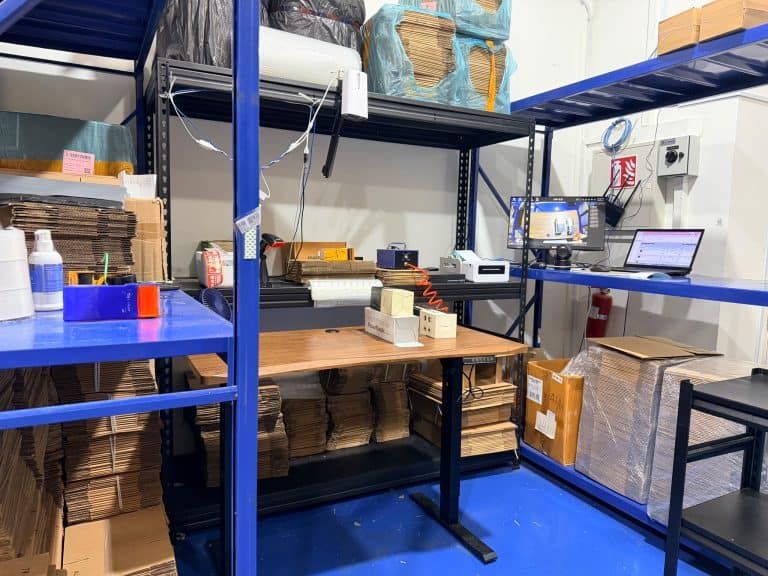
BrickHub bridges the gap between self-storage and full industrial warehousing for Singapore businesses that are growing but aren’t ready for a three-year industrial lease. Our warehousing and 3PL services provide the operational capability of a proper warehouse — receiving, storage, and despatch — at flexible terms suited to SMEs. Whether you’re making the transition from self-storage or downsizing from a full warehouse lease, BrickHub provides a scalable solution with no long-term commitment. Contact BrickHub to discuss warehouse storage options for your Singapore business.
Beyond Self-Storage
Warehousing & 3PL Solutions for Singapore Businesses
BrickHub bridges the gap between self-storage and full 3PL — flexible warehouse space with pick-and-pack capability for growing Singapore ecommerce and SME brands.
🏆 Singapore’s Leading Ecommerce Fulfilment Partner — Self Storage, 3PL & Last Mile Delivery | Rated 5⭐ on Google | Trusted by 200+ Singapore Ecommerce Sellers
Conclusion: Choosing the Right Warehouse Solution for Your Business
Warehouse storage in Singapore is the logical next step for businesses that have grown beyond self-storage but aren’t yet at the scale that justifies a direct industrial lease. Understanding the distinction between storage types, volume thresholds, and the Singapore industrial property market enables businesses to make the right call at the right time. BrickHub’s flexible warehousing and 3PL services make that transition manageable and cost-effective. Get in touch with BrickHub today to explore your warehouse storage options.
SMEs exploring business storage and logistics support can find relevant grants and resources through Enterprise Singapore.
Frequently Asked Questions
What is warehouse storage and how is it different from self-storage in Singapore?
Warehouse storage is commercial-grade storage infrastructure with loading docks, pallet racking, forklift access, and often managed services (receiving, inventory management, despatch). Self-storage is self-managed space designed for human-scale access using trolleys. Warehousing is appropriate for pallet-volume operations and B2B logistics; self-storage suits smaller volumes with direct owner management.
How much does warehouse storage cost per square foot in Singapore?
Warehouse rental in Singapore typically costs SGD $2.50–$3.50 psf/month for standard ambient units in established industrial zones, and SGD $4.00–$5.00+ psf/month for modern or temperature-controlled facilities. Co-warehousing through a 3PL provider is typically higher per sqft but requires no minimum lease term and includes management services.
Can a small business rent warehouse space in Singapore without a long lease?
Yes. 3PL providers and co-warehousing solutions allow SMEs to access warehouse-level services on flexible terms, often month-to-month. BrickHub’s warehousing services are designed specifically for Singapore SMEs that need warehouse capability without the three-year lease commitment of a direct industrial tenancy.
What is the minimum warehouse size I can rent in Singapore?
Direct industrial leases in Singapore typically start at 2,000–5,000 sqft. However, through co-warehousing or 3PL arrangements, businesses can access allocated warehouse space as small as 100–500 sqft on flexible terms. BrickHub can accommodate SME warehouse storage needs well below the thresholds of direct industrial leases.
Does BrickHub offer warehouse storage with pick-and-pack services?
Yes. BrickHub offers warehousing and 3PL services including receiving, storage, and despatch for Singapore businesses. Contact BrickHub directly to discuss the specific services available and whether they suit your fulfilment requirements and order volumes.
Further Reading
- Bonded Warehouse Singapore: What It Is and When Your Business Needs One — if you’re importing goods that require customs-controlled storage.
- Ecommerce Warehousing Singapore: Why Generic Isn’t Good Enough — ecommerce-specific warehousing needs for online sellers in Singapore.
- Self Storage Singapore: The Complete Guide to Finding and Renting a Unit in 2026 — comparison of self-storage vs warehouse options.
Similar Posts
TikTok Shop Fulfilment Singapore: Scale Without Packing Orders at Home (2026)
Singapore’s Most Accountable 3PL BrickHub — Storage from $100/CBM · Pick & Pack from $2/order · Delivery from $2.90 Scale Your TikTok Shop with BrickHub → TikTok Shop is now Singapore’s fastest-growing ecommerce channel — and the sellers winning on it are not the ones with the best products. They are the ones who ship…
Shopify Fulfilment Singapore (2026): How to Automate Orders Without Shopify’s Own Network
If you’re running a Shopify store in Singapore and wondering how to outsource your fulfilment, you’ve probably hit a wall: Shopify’s own Fulfilment Network (SFN) simply isn’t available here. The good news is that a local, Shopify-integrated 3PL can give you everything SFN promises — automated order syncing, professional pick and pack, and next-day local…
Dropshipping Singapore (2026): Why Local 3PL Fulfilment Beats Overseas Suppliers
Dropshipping in Singapore — overseas supplier model vs local 3PL fulfilment compared. Faster delivery, better customer experience, lower return rates.
Shopee Fulfilment Singapore (2026): How to Outsource Your Orders and Protect Your Seller Score
Singapore’s Most Accountable 3PL BrickHub — Storage from $100/CBM · Pick & Pack from $2/order · Delivery from $2.90 Protect Your Seller Score — Outsource Now → Shopee sellers in Singapore hit a hard ceiling around 50 to 100 daily orders — the point where packing at home stops being scrappy and starts being a…
Business Storage Singapore: Flexible Storage for SMEs, Startups & Ecommerce Brands (2026)
Singapore’s commercial real estate market makes one thing very clear: office and retail space is expensive, and using it as a storeroom is a luxury most SMEs can’t afford. Business storage in Singapore solves this problem by giving companies — from ecommerce startups to established professional services firms — a flexible, accessible offsite space for…
Grocery Fulfilment Singapore: How Online Food Sellers Get Orders Right (2026)
If you’re selling packaged food, health supplements, or dry grocery products online in Singapore, you already know fulfilment is harder than it looks. Standard ecommerce warehouses weren’t designed with humidity, shelf life, or expiry tracking in mind — and in Singapore’s climate, that gap costs sellers money. BrickHub offers air-conditioned, humidity-controlled fulfilment built to handle…