Self Storage Singapore: The Complete Guide to Finding and Renting a Unit in 2026
Finding affordable, accessible self storage in Singapore takes more than a quick Google search. With dozens of providers, wildly varying prices, and unit sizes that range from a wardrobe to a full HDB bedroom, the wrong choice can cost you time, money, and a second move. This guide covers everything — sizes, pricing, aircon options, what you can and can’t store, and an honest comparison of the major providers — so you can make a confident decision in 2026.
- Self storage in Singapore lets individuals and businesses rent a private, lockable space — from locker-sized units (15 sq ft) to room-sized bays (200+ sq ft).
- Prices in 2026 range from S$70–S$150/month for small personal units to S$400–S$900/month for large rooms, depending on location and climate control.
- Most Singapore self-storage providers offer flexible terms — month-to-month or short-term leases — with 24/7 keycard access and individual unit locks.
- Choose aircon storage for electronics, documents, and valuables; standard units work for furniture, tools, and non-sensitive items.
- Stat: Singapore has over 50 self-storage facilities island-wide, with occupancy rates consistently above 85% in prime locations.
Here’s what most people don’t realise: self storage isn’t just for people moving house. In 2026, Singapore’s most active storage renters include e-commerce sellers managing inventory, businesses rotating seasonal stock, and families dealing with ageing parents downsizing from landed to condo. If you’ve ever wondered “should I just get a storage unit?” — the answer is probably yes, and the economics are more straightforward than you think. For more information, see Enterprise Singapore’s logistics resources.
What Is Self Storage and How Does It Work in Singapore?
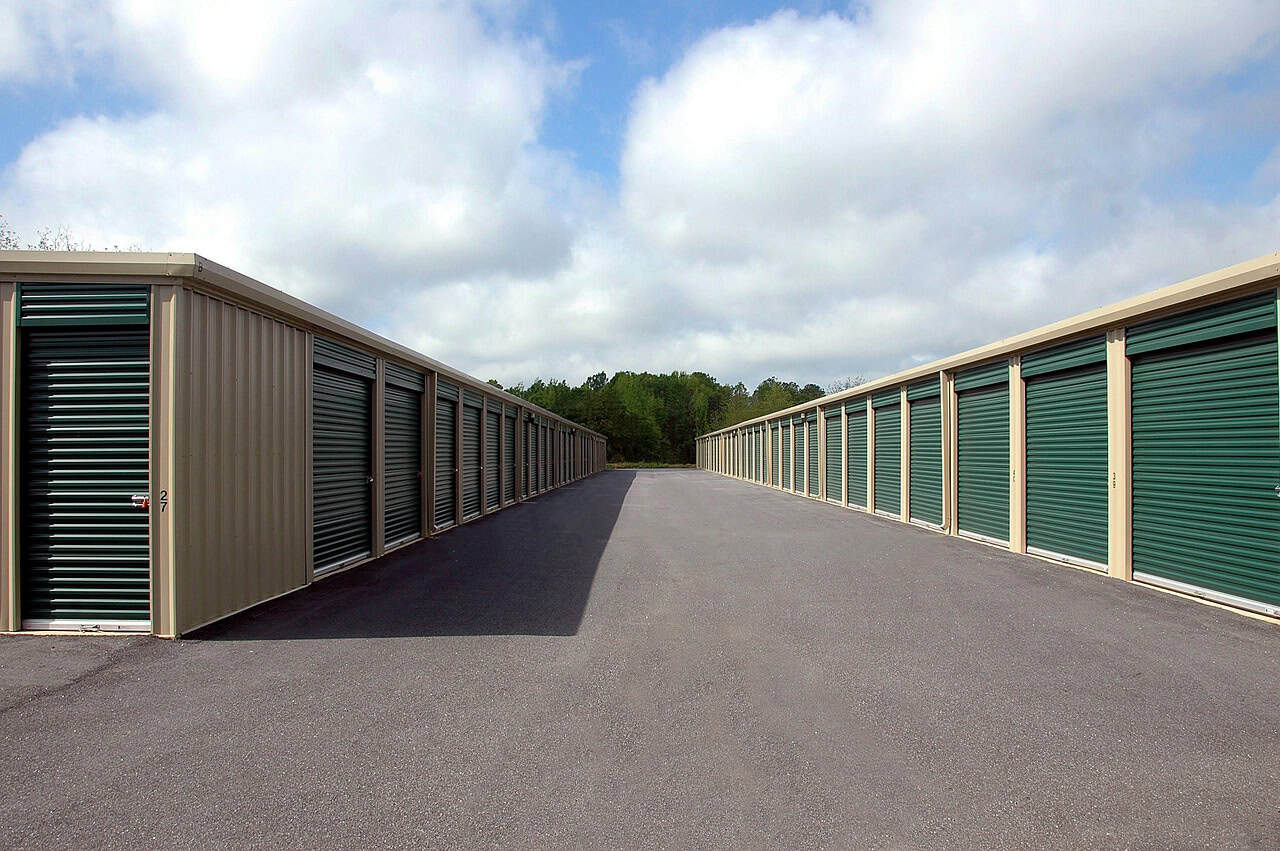
Self storage is exactly what it sounds like: a private, lockable space you rent to store your belongings, with you holding the only key. In Singapore, facilities typically operate as multi-storey warehouses divided into hundreds of individual units of varying sizes. You access your unit directly — no staff handling, no shared access with other tenants. For more information, see URA guidelines on permissible storage land use.
How does the rental process actually work?
The process is simpler than most people expect. You choose a facility and unit size online or in person, sign a rental agreement (usually month-to-month with a one-month deposit), and receive either a physical key, a PIN code, or an app-based access credential. Most Singapore facilities now offer 24/7 access, which matters if you’re running a business and need to retrieve stock outside office hours.
You bring your own padlock (or purchase one on-site), load your unit yourself, and manage your own inventory. The facility provides the physical space, lighting, security cameras, and in most cases, trolleys and lifts. Staff are available during business hours to assist with admin, payment, and unit queries, but your unit itself is your responsibility.
Contracts in Singapore are almost universally flexible. Month-to-month is standard, though some providers offer discounts for three- or six-month commitments. There are rarely penalties for early exit beyond forfeiting the deposit if notice terms aren’t met — always confirm this before signing.
Self Storage Unit Sizes in Singapore — Which Do You Need?
Unit sizes across Singapore providers are broadly consistent, though naming conventions vary. Here’s a practical breakdown:
What size self storage unit do I actually need for a 3-room HDB clear-out?
Locker / XS units (under 20 sqft): Think of these as an oversized wardrobe. Good for a few boxes, seasonal gear, or documents. Not suitable for furniture.
Small units (20–50 sqft): The most popular category. Fits the contents of a single bedroom — bed frame, mattress, wardrobe, and 10–20 boxes. Also the go-to size for e-commerce sellers holding 50–200 SKUs of product.
Medium units (50–100 sqft): Equivalent to a large HDB bedroom. Handles a two-room clearance, a small business’s full inventory, or the contents of a home office plus overflow storage. This is where most small business renters land.
Large units (100–200 sqft): Think small studio apartment. For full household contents during renovation, significant business inventory, or equipment storage. At this size, you’d typically be rolling in on a trolley with multiple loads.
Jumbo / custom units (200 sqft+): Available at select facilities for commercial users, event companies, or logistics operators. Pricing is negotiated directly.
A common mistake is underestimating how much fits in a unit with good stacking. Shelving units inside your storage space (most facilities allow freestanding shelves) can effectively double your usable capacity in a 50 sqft unit. If you’re storing boxes, stack them. If you’re storing furniture, disassemble flat-pack pieces before loading.
How Much Does Self Storage Cost in Singapore? (2026)
Self storage price in Singapore varies by location, unit size, climate control, and provider. Here’s a realistic 2026 pricing guide based on current market rates:
Location plays a significant role. Central and city-fringe facilities (Novena, Toa Payoh, Ubi) command a premium of roughly 15–25% over suburban or industrial-estate facilities in areas like Jurong, Woodlands, or Changi. If access frequency is low and you’re price-sensitive, a slightly further facility often represents meaningful savings.
Most providers include GST in their advertised prices, but always confirm. Deposit requirements are typically one month’s rent. Admin or sign-up fees vary — some providers waive them entirely as a promotion, others charge $50–$100. Factor these into your first-month total cost.
Is month-to-month self storage in Singapore worth it, or should I commit to a longer term?
Month-to-month is the right default for most renters. It preserves flexibility, which matters if you’re storing during a renovation (timelines shift) or holding e-commerce inventory (business changes). The discount for a three-month or six-month commitment is rarely more than 5–10%, which doesn’t justify locking in if your needs are uncertain.
Aircon vs Standard Self Storage — Which Is Right for You?
This is the question most first-time renters get wrong, and it’s worth spending time on.
Singapore’s ambient temperature sits between 25–35°C year-round, with humidity regularly hitting 80–90%. Standard (non-aircon) units are ventilated but not climate-controlled. That means your stored items are exposed to heat and humidity — manageable for robust items, but damaging for anything sensitive.
Choose standard storage if you’re storing: furniture (solid wood, metal, plastic), sports equipment, kitchenware, general household boxes, clothing in sealed bags, large appliances that are dry and clean.
Choose aircon storage if you’re storing: documents and paper records, artwork and prints, electronics (laptops, cameras, audio equipment), musical instruments, wine and spirits, leather goods, anything that warped or moulded in a previous move.
The 20–30% price premium for aircon is worth it the moment you’re storing anything with sentimental value or resale value. A mouldy stack of university notes is one thing. A warped guitar neck or a corroded camera sensor is another conversation entirely.
What Can (and Can’t) You Store in a Singapore Self Storage Unit?
Most Singapore storage facilities operate under a standard set of permitted and prohibited items. The rules are similar across providers and exist for safety, insurance, and regulatory compliance reasons.
Generally permitted: household furniture and appliances, clothing and textiles, books and documents, electronics (non-operational), sports equipment, bicycles, e-commerce inventory (non-hazardous goods), seasonal decorations, business files and records.
Generally prohibited: hazardous materials (flammable liquids, chemicals, paint, gas cylinders), perishable food items, live plants or animals, illegal goods, weapons or ammunition, cash and securities, tyres (fire risk). Valuables like jewellery and original art are typically permitted but not recommended — storage facilities are not banks or vaults, and insurance coverage for high-value items is limited.
A practical note: if you’re an e-commerce seller storing goods, confirm with your provider whether your product category is explicitly permitted. Most FMCG, fashion, electronics accessories, and lifestyle goods are fine. Pharmaceuticals, supplements, and food products may require additional documentation or may be restricted entirely at certain facilities.
Self Storage Providers in Singapore Compared
The Singapore self storage market is dominated by a handful of large providers, each with distinct strengths. Here’s an honest overview:
StorHub is the largest network by location count in Singapore, with facilities across Buona Vista, Ang Mo Kio, Chai Chee, and several other sites. Their brand recognition is high, their facilities are generally well-maintained, and their pricing reflects their premium positioning. Good choice for renters who prioritise convenience and brand trust.
Extra Space Asia operates at scale across Southeast Asia, with a strong Singapore presence. They tend to offer competitive introductory pricing and run frequent promotions. Facilities vary in age and condition across locations, so visiting in person before committing is advisable.
Storefriendly has carved out a niche with a tech-forward approach — their app-based access, online booking flow, and generally newer facilities appeal to younger renters and business users. They also offer value-added services like mail handling at select locations.
BrickHub takes a different angle entirely, pairing self storage with e-commerce fulfilment capabilities — more on that below.
Disclaimer: The above comparisons are based on publicly available information and general market positioning as of 2026. Pricing, services, and facility quality vary by location and change over time. We recommend visiting any shortlisted facility in person and requesting a current quote before making a decision. BrickHub is the operator of this website.
BrickHub Self Storage — Built for Singapore
BrickHub is a Singapore self storage and e-commerce fulfilment provider designed for the way people actually use storage today — not just for the HDB renovation crowd, but for the growing segment of Singaporean entrepreneurs, online sellers, and businesses who need storage and logistics infrastructure in one place.
What makes BrickHub different from other self storage providers in Singapore?
The core differentiator is the integrated fulfilment layer. Most self storage providers give you a unit and a padlock. BrickHub offers storage that connects directly to e-commerce operations — meaning your inventory can be stored, picked, packed, and dispatched without you physically managing every order. For Shopify, Lazada, or Shopee sellers who’ve outgrown storing stock under their bed or in their spare room, this is a meaningful operational upgrade.
For traditional self storage needs — renovation storage, household overflow, document archiving — BrickHub operates on the same flexible, month-to-month model as the rest of the market, with competitive pricing and genuine access to the team behind the business. As a focused Singapore-native operator, the service experience tends to be more direct than what you’d get from a regional chain managing hundreds of units across multiple countries.
If you’re evaluating self storage options in Singapore and your use case involves any element of business, inventory, or e-commerce, BrickHub is worth a direct conversation. Visit brickhubsg.com to check availability and get a quote for your specific unit size and requirements.
🏆 Singapore’s Leading Ecommerce Fulfilment Partner — Self Storage, 3PL & Last Mile Delivery | Rated 5⭐ on Google | Trusted by 200+ Singapore Ecommerce Sellers
Conclusion: How to Choose the Right Self Storage in Singapore
Renting self storage in Singapore in 2026 is a straightforward decision once you’ve answered four questions: What am I storing? How often will I need to access it? Do I need aircon? What’s my budget? Work through those and the right unit size and provider type become obvious.
For most people storing household contents during a move or renovation, a mid-sized standard or aircon unit from any reputable provider will do the job at a cost of $150–$300/month. For business users, e-commerce sellers, or anyone who needs more than just a room with a padlock, BrickHub’s integrated storage and fulfilment model is worth serious consideration.
The Singapore market is competitive and providers are generally willing to negotiate on price, especially for longer commitments or larger units. Get at least two quotes, visit the facility before signing, and confirm the access hours, deposit terms, and insurance policy before committing.
Ready to find the right unit? Visit brickhubsg.com to explore BrickHub’s self storage and fulfilment options, check current availability, and get a personalised quote.
Frequently Asked Questions
Q: What is the average cost of self storage in Singapore in 2026, and what does the monthly fee typically include?
A: Self storage in Singapore in 2026 costs between $80 and $500 per month depending on unit size and whether you choose an aircon or standard unit. The monthly fee typically covers the unit rental, 24/7 facility access, on-site security and CCTV, trolley and lift usage, and basic lighting. It does not usually include insurance for your stored items — you’ll need to arrange separate contents coverage or opt into the provider’s insurance add-on. Deposit (usually one month’s rent) is collected upfront and refunded at the end of your tenancy.
Q: How do I decide between aircon and non-aircon self storage in Singapore’s humid climate?
A: The deciding factor is what you’re storing and how sensitive it is to heat and humidity. Singapore’s outdoor humidity regularly hits 80–90%, and non-aircon units, while ventilated, are not climate-controlled. Electronics, documents, leather, musical instruments, artwork, and wine all require aircon storage. Furniture, kitchenware, sports equipment, and general household items in sealed containers are generally fine in standard units. If you’re unsure, aircon is the safer default — the 20–30% price premium is far cheaper than replacing damaged goods.
Q: Can I use a self storage unit in Singapore to run my Shopify or e-commerce business, and what should I look for in a provider?
A: Yes — self storage has become a practical logistics solution for small e-commerce businesses in Singapore who need more space than a home but aren’t ready for a full warehouse lease. For most sellers, a 20–50 sqft aircon unit provides enough space for 50–300 SKUs of packaged goods. When evaluating providers, check: whether your product category is permitted, whether 24/7 access is available (critical for order fulfilment), lift and trolley access for heavy stock, and whether the facility offers any value-added services like mail handling or, in BrickHub’s case, integrated fulfilment capabilities.
Q: What are the key differences between the major self storage providers in Singapore — StorHub, Extra Space, Storefriendly, and BrickHub?
A: StorHub is the largest by location count and suits renters prioritising convenience and brand recognition. Extra Space Asia runs frequent promotions and suits price-conscious renters willing to compare deals across locations. Storefriendly appeals to tech-forward users with strong app-based access and newer facilities. BrickHub is the specialist option for renters who need storage tied to e-commerce or business fulfilment — combining unit rental with pick, pack, and dispatch capabilities under one roof. The best provider depends on your specific use case, access frequency, and whether your storage needs are purely personal or partly business-driven. Always visit in person before committing.
Q: Is it worth renting self storage in Singapore for a short period during HDB renovation, or is it cheaper to use a moving company’s storage service?
A: For HDB renovations lasting four to twelve weeks, self storage is almost always the more cost-effective and flexible option compared to a moving company’s storage-in-transit service. Moving company storage typically bundles removal, storage, and redelivery into a single package — convenient, but priced at a premium for the full-service handling. Self storage lets you move items yourself (or hire a mover for the first load), pay a flat monthly rate, and access your belongings whenever needed throughout the renovation. For renovations under four weeks, moving company storage may be worth the premium for the convenience. Beyond that, self storage wins on economics and control.
For the most price-sensitive options, see our detailed Cheapest Storage Space Singapore 2026: Honest Price Guide by Unit Size — it breaks down the cheapest unit options by size across Singapore facilities.
For specialist wine and temperature-sensitive storage, our guide — Wine Storage Singapore: Climate Control, Security & What It Really Costs (2026) — covers climate requirements, humidity control, and real costs for wine cellaring in Singapore.
Businesses handling sensitive records should read our specialist guide: Document Storage Singapore: Secure, PDPA-Compliant Offsite Record-Keeping (2026) — covering PDPA compliance, secure record retention, and offsite archiving options in Singapore.
SMEs and ecommerce brands looking for flexible storage solutions should read: Business Storage Singapore: Flexible Storage for SMEs, Startups & Ecommerce Brands — covering unit types, contract flexibility, and cost benchmarks for business storage in Singapore.
For storage commitments beyond 3 months, our dedicated guide covers everything you need: Long Term Storage Singapore: Monthly vs Yearly Rates & When It Makes Sense (2026) — including monthly vs annual contract trade-offs and Singapore-specific preparation advice.