Returns Management in Singapore: How a 3PL Can Handle Your Ecommerce Reverse Logistics
Managing ecommerce returns in Singapore is no longer a back-office afterthought — it is a core operational capability that directly affects your margins, your seller ratings, and your ability to retain customers on Shopee, Lazada, and TikTok Shop. Most growing sellers hit a wall when return volumes exceed what their team can process cleanly, and the gap between a smooth returns experience and a chaotic one is almost always a logistics infrastructure problem, not a staffing one. Outsourcing returns management to a Singapore-based 3PL like BrickHub gives you a structured, scalable process without the overhead. For more information, see Enterprise Singapore’s e-commerce logistics support programmes. For more information, see IMDA’s SMEs Go Digital programme.
- Returns management is the complete reverse logistics process — receiving, inspecting, grading, and restocking or disposing of customer-returned items.
- For Singapore ecommerce sellers on Shopee, Lazada, and TikTok Shop, slow returns handling directly impacts seller ratings and listing visibility.
- A Singapore 3PL typically handles returns within 24–48 hours of receipt — grading, inventory update, and refund trigger included.
- Outsourcing becomes cost-competitive once you exceed 50–100 returns per month, when staff time and warehouse space costs are factored in.
- Stat: Ecommerce return rates in Southeast Asia average 15–30% in fashion and electronics — making returns management a critical operational lever.
Returns are the part of ecommerce nobody wants to talk about — until they become impossible to ignore. A single bad week of returns can tie up your stock, tank your response metrics, and leave your warehouse team buried in unlabelled parcels with no clear process for what happens next. The real question isn’t whether you need a returns management system. It’s whether you build one yourself or let a specialist handle it.
Why Ecommerce Returns Are a Growing Problem for Singapore Sellers
Singapore’s ecommerce market has matured rapidly. Shopee, Lazada, and TikTok Shop have all raised the bar on buyer protection policies, which means customers expect faster, simpler returns — and the platforms enforce it. For sellers, this is a double-edged reality: better buyer trust drives conversion, but every return you process costs time, space, and money.
What’s driving higher return volumes on Singapore marketplaces?
The structural drivers are clear. Platform-level free returns policies have lowered the psychological cost of buying speculatively, particularly in fashion, electronics, and health categories. Buyers who once hesitated before purchasing now order multiple variants, return what doesn’t fit, and expect the process to be seamless. Meanwhile, seller fulfilment standards have tightened — late return acknowledgements or unprocessed refunds show up directly in your store metrics.
For sellers managing volume across multiple channels, the complexity compounds quickly. A return on Shopee follows different protocols to a return initiated via TikTok Shop. If your team is manually tracking these across spreadsheets and WhatsApp threads, you are one bad month away from a serious backlog.
There is also a geography problem. Singapore sellers who fulfil cross-border orders into Malaysia or Indonesia face a harder returns path — items may need to re-enter Singapore before being restocked or forwarded, adding handling time and cost that erodes margins on already tight-margin SKUs.
What Does Returns Management Actually Involve?
When someone asks how a 3PL manages ecommerce returns end-to-end in Singapore, the answer is more layered than most sellers expect. Returns management is not simply “receive the parcel and put it back on the shelf.” A proper reverse logistics workflow involves multiple decision points that determine whether a returned item becomes recoverable stock or a write-off.
What happens to a returned item at a 3PL warehouse?
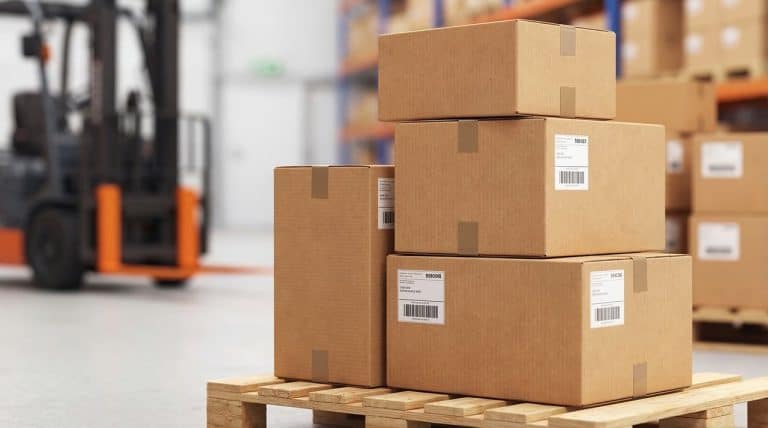
A structured returns management process typically follows this sequence. First, the returned item is received and cross-referenced against the original order. Second, it undergoes a condition assessment — the item is graded as new/resaleable, lightly used but sellable, damaged, or unsaleable. Third, depending on that grading, the item is either returned to available inventory, quarantined for further review, repackaged for resale, or flagged for disposal or donation.
Throughout this process, the 3PL updates inventory counts in your system — whether that’s a Shopify backend, a marketplace seller centre, or a third-party OMS. This real-time stock reconciliation is critical for sellers who run lean inventory, because an unprocessed return sitting in a warehouse is effectively dead stock until it’s officially re-entered into the system.
The documentation layer matters too. For marketplace sellers, having a timestamped, auditable returns record protects you in the event of a dispute — both with the buyer and with the platform if a refund is contested.
The Cost of Poor Returns Management
The financial damage from weak returns handling is rarely obvious on a single line of a P&L, but it accumulates quickly. The three primary cost channels are recoverable stock loss, customer churn, and the hidden labour cost of firefighting.
Recoverable stock loss happens when returned items sit unprocessed for days or weeks. During that window, you cannot sell them, cannot reorder confidently, and may end up overstocking a SKU because your available inventory count doesn’t reflect the units sitting in return limbo. For fashion or seasonal categories, a two-week lag on return processing can mean items miss their sellable window entirely.
Customer churn is the subtler cost. Research consistently shows that a smooth returns experience is one of the highest-weighted factors in repeat purchase intent. A customer who battles a disorganised returns process on Shopee — slow acknowledgements, no tracking update on the return, a delayed refund — is very unlikely to reorder. In a market where customer acquisition costs are rising across all Singapore ecommerce channels, burning retention on a solvable operations problem is an expensive mistake.
The labour cost is the most immediate for growing sellers. As return volumes scale, the hours spent receiving, sorting, photographing, updating records, and responding to return-related customer messages grow proportionally. That labour is usually absorbed by fulfilment or customer service staff who are simultaneously managing forward orders, creating a bottleneck that slows down both processes.
In-House vs Outsourced Returns Management — Which Makes Sense?
This is one of the most common questions Singapore ecommerce sellers face when they start thinking about reverse logistics seriously: should we build our own returns process, or outsource it to a 3PL?
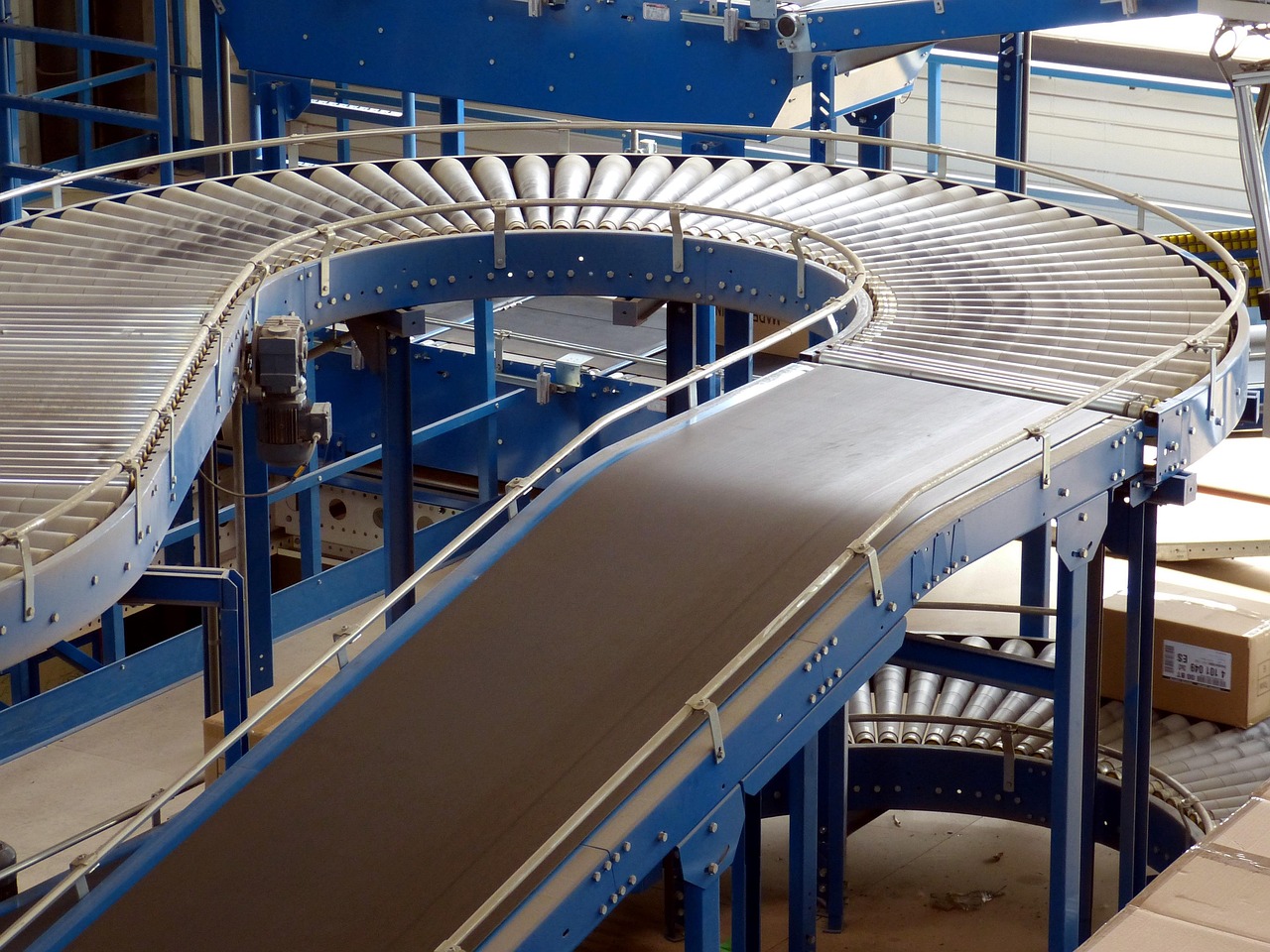
The honest answer depends on volume, SKU complexity, and where you are in your growth curve. For sellers processing fewer than 30–50 returns per month across a simple product range, an in-house process is manageable — a clear SOP, a dedicated team member, and a tidy receiving area at your storage space will cover it. But once return volumes cross that threshold, or once you’re selling across three or more channels with different return policies, the case for outsourcing becomes compelling.
Is it worth outsourcing returns handling to a 3PL in Singapore?
Consider what outsourced returns handling actually buys you. A 3PL already has the receiving infrastructure, the trained staff, and the inventory management systems in place. You are sharing those costs across their entire client base, which means your per-unit cost for returns processing is almost always lower than building equivalent capability yourself. You also get the benefit of their established integrations with Shopee, Lazada, and TikTok Shop seller APIs, so stock reconciliation happens automatically rather than manually.
The comparison with other market options is worth making directly. Some sellers in Singapore have explored using parcel carrier returns programmes — Ninja Van’s returns service, for instance, handles the collection leg but does not perform warehouse grading, restocking, or inventory reconciliation. Janio offers regional reverse logistics infrastructure with a cross-border focus, which suits sellers with significant Malaysia or Indonesia return flows. Neither is designed as a full-service 3PL returns management solution for a Singapore-based seller who needs physical warehousing, condition grading, and real-time stock updates as part of the same workflow.
Disclaimer: The above references to third-party services reflect publicly available information and are provided for comparative purposes only. Specific capabilities and pricing should be verified directly with each provider.
A specialist 3PL like BrickHub sits in a different category: the returns function is integrated with your broader fulfilment relationship, which means returned stock can flow directly back into forward fulfilment without leaving the warehouse ecosystem.
What to Look for in a Returns Management 3PL in Singapore
Not every 3PL in Singapore offers genuine returns management capability. Many will accept returned parcels, but the question is what happens after the parcel arrives. When evaluating a 3PL for returns handling, the critical criteria are condition grading rigour, system integration depth, turnaround time, and transparency.
How do you evaluate a 3PL’s returns management process before committing?
Condition grading rigour means the 3PL has a defined grading rubric — not just “good” or “damaged,” but a structured assessment that tells you whether an item can be resold as new, needs repackaging, or needs to be written off. Without this, returned stock sits in an ambiguous state that makes inventory management impossible.
System integration depth refers to whether the 3PL can push stock updates back to your seller centre or OMS in real time, or whether you are relying on manual CSV uploads. Real-time reconciliation is the standard you should expect from any 3PL you take seriously as a returns partner.
Turnaround time matters enormously for your cash flow and for your marketplace metrics. A 3PL that takes five to seven business days to process a return is adding a week of dead stock time on every item. Look for a committed SLA of 24–48 hours from receipt to graded and restocked status.
Finally, transparency: does the 3PL provide you with a returns dashboard or regular reporting that shows you what came in, how it was graded, and what its current status is? Without visibility, you are flying blind on a cost centre that directly affects your margins.
BrickHub Returns Management — Fast, Accurate, Scalable
BrickHub is a Singapore-based 3PL that handles ecommerce fulfilment and returns processing for Shopee, Lazada, and TikTok Shop sellers operating out of Singapore. Their returns management service is built as an integrated component of their broader fulfilment offering — which means returned stock doesn’t need to change hands or move facilities before it can be re-entered into forward fulfilment.
BrickHub’s returns process covers the full cycle: inbound receipt and cross-referencing, condition grading, repackaging where applicable, inventory reconciliation, and returns reporting. For sellers who are asking what the most efficient way to handle ecommerce reverse logistics in Singapore is without building internal infrastructure, BrickHub’s model provides a direct answer: hand the physical process to a specialist and focus your team on sales, merchandising, and customer relationships.
Their Singapore warehouse location means returns from local Shopee and Lazada buyers are processed quickly, with no cross-border delays eating into your turnaround time. And because BrickHub manages forward fulfilment for the same clients, the operational handoff between returned stock and available-to-sell inventory is seamless — no data gaps, no manual reconciliation overhead.
For growing sellers who want to understand exactly what outsourced returns management costs relative to their current in-house spend, BrickHub offers direct consultations to model the numbers.
🏆 Singapore’s Leading Ecommerce Fulfilment Partner — Self Storage, 3PL & Last Mile Delivery | Rated 5⭐ on Google | Trusted by 200+ Singapore Ecommerce Sellers
Conclusion: Returns Management Is a Growth Lever, Not Just a Cost
The sellers who treat returns management as a strategic capability — rather than an operational nuisance — consistently outperform those who don’t. A smooth, fast, well-documented returns process protects your marketplace ratings, recovers more usable stock, and gives buyers the confidence to purchase again. In Singapore’s competitive ecommerce environment, that confidence translates directly into repeat revenue.
If your current returns process is ad hoc, slow, or eating into your team’s capacity for forward fulfilment, the structural fix is not to hire more people — it’s to build or outsource a proper reverse logistics workflow. BrickHub exists to handle exactly that for Singapore ecommerce sellers who are ready to scale without the operational chaos.
Ready to clean up your returns process? Get in touch with BrickHub to discuss how their 3PL returns management service can work for your Shopee, Lazada, or TikTok Shop operation.
Frequently Asked Questions
What is returns management in Singapore ecommerce, and why does it matter for Shopee and Lazada sellers?
Returns management in the Singapore ecommerce context refers to the complete reverse logistics process — receiving returned items, assessing their condition, restocking or disposing of them, and reconciling inventory records. It matters for Shopee and Lazada sellers because both platforms track return response times and refund processing speed as part of their seller performance metrics. Sellers with slow or disorganised returns processes risk lower search visibility, suppressed listings, and poor review scores that compound over time.
How much does outsourced returns management cost for a Singapore ecommerce business?
The cost of outsourced returns management in Singapore varies depending on volume, SKU complexity, and the level of service required (grading only, grading plus repackaging, full restocking with real-time inventory updates). Most 3PLs charge a per-return handling fee, which typically ranges from a few dollars per item for simple operations to higher rates for items requiring detailed inspection or repackaging. For sellers processing more than 50–100 returns per month, outsourcing is generally cost-competitive with or cheaper than managing the process internally once staff time and storage costs are factored in.
What is the difference between reverse logistics and returns management for an ecommerce seller in Singapore?
Reverse logistics is the broader term for the entire supply chain process that moves goods from the buyer back towards the seller or a processing facility — it encompasses transport, handling, and disposal. Returns management is the operational execution layer within that broader process: receiving parcels, grading items, updating inventory, and communicating outcomes back to the seller and buyer. For a Singapore ecommerce seller, the practical difference is that reverse logistics decisions (which carrier handles the return pickup, which facility receives it) are often made at the 3PL or platform level, while returns management is the day-to-day warehouse and system workflow that determines whether returned stock becomes recoverable value or a write-off.
Can a 3PL in Singapore handle returns for both Shopee and TikTok Shop sellers simultaneously?
Yes — a well-integrated 3PL can manage returns across multiple marketplace channels for the same seller. The key requirement is that the 3PL’s warehouse management system (WMS) can receive return notifications and inventory update instructions from each platform’s seller centre, and push reconciled stock counts back in real time. BrickHub’s Singapore fulfilment operation supports multi-channel sellers on Shopee, Lazada, and TikTok Shop, processing returns under a single warehouse workflow regardless of which channel the original order came from.
How long should ecommerce returns processing take in Singapore, and what is a reasonable SLA to expect from a 3PL?
A reasonable returns processing SLA from a Singapore-based 3PL is 24–48 hours from the point of receipt to the point at which the item has been graded and its inventory status updated. Some 3PLs offer same-day processing for high-volume clients. What you want to avoid is any arrangement where there is no committed SLA, because without a timeline guarantee, unprocessed returns can accumulate into a backlog that affects both your stock accuracy and your cash flow. When evaluating a 3PL returns partner, ask specifically for their committed turnaround time in writing and request data on their actual performance against that metric.