Storage Space Singapore: Complete Guide to Finding the Right Unit (2026)
Singapore’s compact living spaces and high real estate costs have made renting extra storage space not just convenient – for many, it’s essential. Whether you’re a homeowner clearing out a cluttered HDB flat, an SME needing overflow stock space, or an e-commerce seller managing fulfilment logistics, finding the right storage space Singapore has to offer is a decision that directly impacts your cost base, your workflow, and your sanity.
- Storage space in Singapore spans self-storage lockers, full storage rooms, business warehousing, and climate-controlled units — each suited to different needs.
- Personal unit sizes range from 15–50 sq ft (lockers to small rooms); business storage typically starts from 100 sq ft upwards.
- Monthly pricing in 2026: small personal units from S$70/month, mid-size business rooms from S$300–S$600/month, larger warehouse bays from S$1,500+.
- Always clarify: access hours (24/7 vs office hours only), security (CCTV, individual locks), climate control, and minimum rental period.
- Stat: Singapore has over 50+ self-storage facilities island-wide, with new facilities opening annually to meet growing urban storage demand.
This guide covers everything you need to know: what types of storage are available, how to size your unit, what you’ll pay in 2026, and how to choose a provider that actually fits your needs.
Quick Answer
- Self-storage unit sizes in Singapore typically range from 9 sq ft (locker-style) to 200+ sq ft (large room)
- Most providers offer flexible month-to-month rentals – no long-term lock-in required
- Prices in 2026 range from approximately S$50-S$80/month for small lockers to S$300-S$800+/month for large units
- Climate control is standard at reputable facilities – critical in Singapore’s humidity
- Stat: Singapore’s self-storage industry has grown over 40% in the past decade, driven by HDB space constraints and e-commerce growth
The good news is that Singapore’s storage market is mature, competitive, and well-regulated. The less obvious news is that not all providers are equal – pricing, accessibility, climate control standards, and contract flexibility vary significantly. Most people who end up overpaying or frustrated with their storage solution made one of three mistakes: they chose based on price alone, they misjudged the space they needed, or they didn’t read the fine print on access hours. This guide helps you avoid all three.
Types of Storage Space Available in Singapore
Singapore’s storage market has diversified well beyond the traditional “lock-up garage” model. Understanding the main categories helps you match your situation to the right solution from the outset.
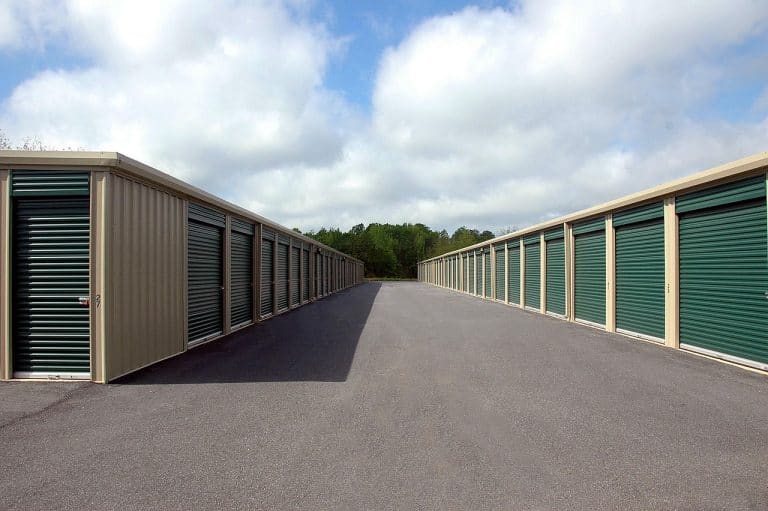
Self-storage units are the most common format – private, lockable spaces within a larger facility. Units are typically stacked and accessed via corridors, with sizes ranging from small lockers to large room-sized spaces. These are ideal for individuals storing seasonal items, furniture during renovation, or personal archives.
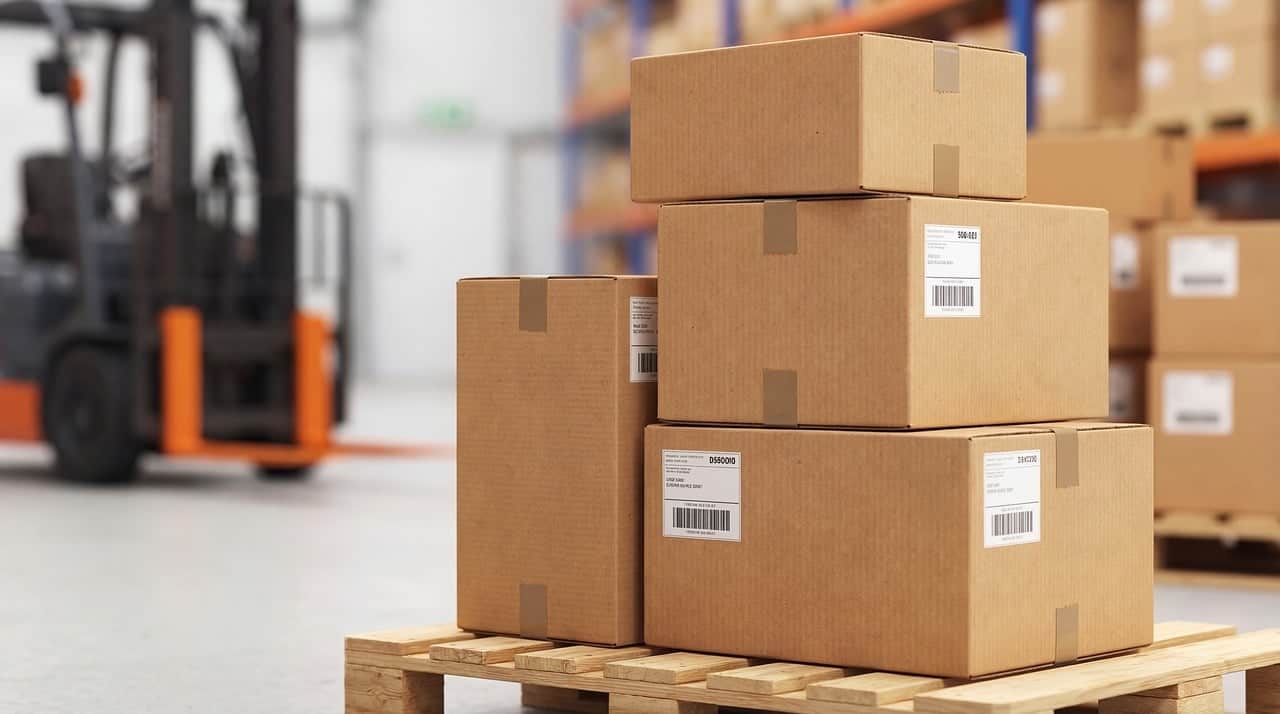
Business storage and warehousing occupies a different tier. These are larger dedicated spaces – sometimes entire rooms or bays – designed for SMEs, retailers, and distributors who need stock management, pallet storage, or regular pick-and-pack access. Some providers blend self-storage with warehousing services under one roof.
E-commerce fulfilment storage is a growing category in Singapore, particularly relevant to Lazada, Shopee, and TikTok Shop sellers who need inventory storage alongside order processing services. Rather than renting a unit and managing logistics yourself, fulfilment-oriented providers handle inbound stock, storage, packing, and outbound shipping.
What’s the difference between self-storage and a warehouse in Singapore?
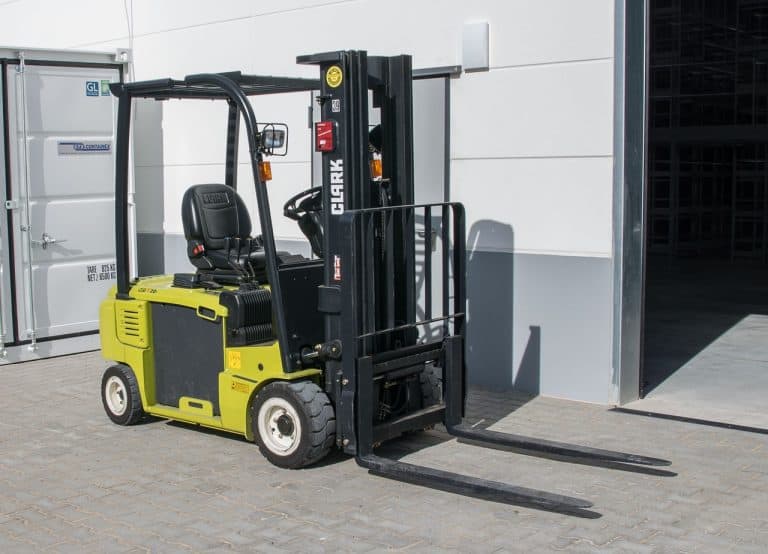
Self-storage is typically rented by individuals or small businesses on a per-unit basis, with the tenant managing access and inventory themselves. Warehousing usually implies a more managed environment – loading docks, pallet racking, forklift access, and sometimes third-party logistics (3PL) services. For most SMEs and e-commerce sellers in Singapore, the sweet spot sits between the two: a managed storage facility that offers warehouse-grade accessibility with the flexibility of a self-storage rental model.
Is climate-controlled storage necessary in Singapore?
In a word: yes. Singapore’s year-round humidity – averaging 80-85% – will damage wood, paper, electronics, leather, and clothing over time without proper climate control. Reputable storage providers maintain facility temperatures between 22-25°C with controlled humidity. If a provider doesn’t explicitly mention climate control, treat that as a red flag, especially if you’re storing anything of value. For more information, see SCDF fire safety requirements for storage buildings.
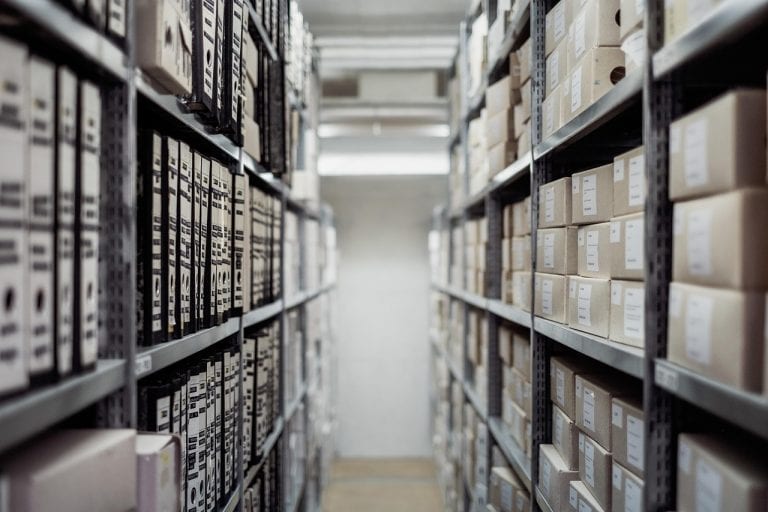
Document storage is a niche but important subcategory. Businesses with compliance obligations often need secure, indexed storage for physical records. Some facilities offer box storage with retrieval services – useful for law firms, accounting practices, and healthcare providers with long document retention requirements.
How Much Storage Space Do You Actually Need?
This is where most people go wrong. The instinct is to rent the smallest unit that seems plausible – and then discover three months in that it’s not enough. Equally, oversizing a unit is a straightforward way to waste money.
A practical sizing framework: estimate the floor area your items would cover if spread out, then assume you can stack to roughly 1.5-2 metres. A typical HDB bedroom’s contents (bed frame, wardrobe, miscellaneous boxes) generally fits in a 35-50 sq ft unit. A two-room flat’s worth of furniture during renovation typically needs 70-100 sq ft. A small business storing flat-pack stock or retail inventory usually starts at 100 sq ft and scales from there.
How do I calculate the right storage unit size for my belongings?
The most reliable method: list every item you plan to store, estimate its dimensions, and add 20-30% buffer for access space and future additions. Most reputable storage providers in Singapore offer online size calculators or in-person consultations – use them. If you’re storing on behalf of a business, factor in not just current stock levels but peak season inventory. Running out of space in November when your Shopee orders are spiking is a problem that’s entirely avoidable at the booking stage.
For businesses, the unit sizing question is often secondary to the access question. How frequently will you need to enter the unit? If you’re retrieving stock daily, you need a ground-floor unit or a facility with efficient lift access – not a unit three floors up accessed by a slow goods lift during peak hours.
Storage Space Cost in Singapore (2026)
Pricing across Singapore’s self-storage market has stabilised somewhat in 2026 after a period of post-pandemic volatility. That said, location, size, climate control, and contract terms all affect what you’ll actually pay.
Indicative price ranges for 2026:
| Unit Size | Approximate Monthly Cost |
|—|—|
| Small locker (9-15 sq ft) | S$50 – S$80 |
| Small unit (20-35 sq ft) | S$90 – S$180 |
| Medium unit (50-75 sq ft) | S$200 – S$350 |
| Large unit (100-150 sq ft) | S$350 – S$600 |
| Extra-large / room (200+ sq ft) | S$600 – S$1,200+ |
These are market-rate estimates. Prices vary by provider, location (CBD-adjacent facilities typically command a premium), and promotional rates for first-time renters. Most providers offer a first-month discount or waived admin fees – worth asking about directly.
Business warehousing and fulfilment storage is typically priced differently – often on a per-pallet or per-cubic-metre basis, or as a bundled monthly fee that includes handling services. Expect to pay S$80-S$200+ per pallet position per month for managed warehouse space, depending on throughput and services included.
One cost that’s easy to overlook: insurance. Most providers require you to insure stored items, either through their in-house policy or your own. Budget S$10-S$30/month for basic coverage if your provider doesn’t include it.
Individual vs Business Storage – Different Needs, Different Solutions
The question “what’s the best storage space in Singapore?” has a different answer depending entirely on who’s asking.
For individuals, the priorities are typically cost, proximity, and flexibility. Someone storing furniture during a renovation wants a unit close to home, at a price that doesn’t sting too badly for a few months, with no long contract if the renovation drags on (as they usually do). For expats between apartments, short-term flexibility is paramount. For collectors storing art, wine, or high-value items, climate consistency and security matter more than anything else.
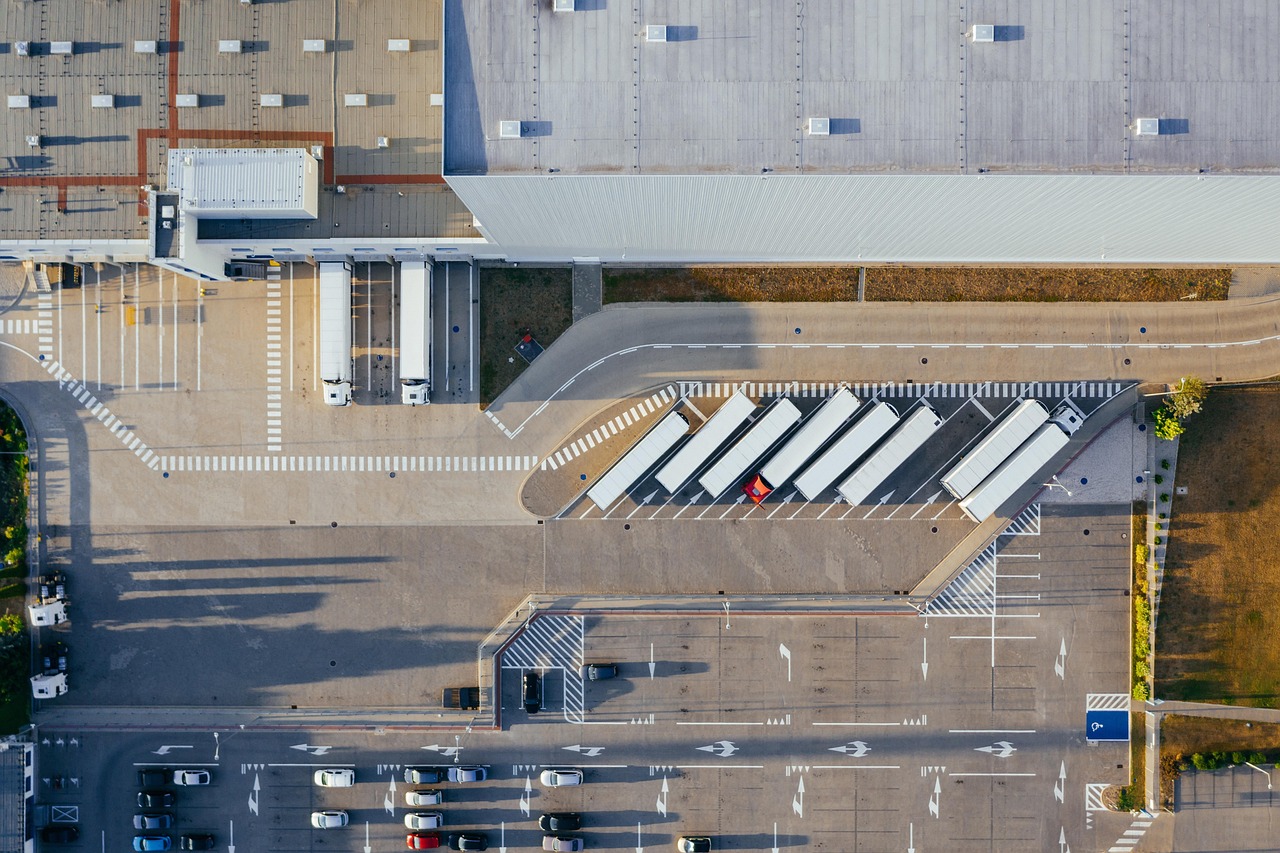
For businesses – particularly e-commerce sellers, retailers, and SMEs – the calculus shifts. Accessibility hours matter: if your team is packing orders in the evening, you need 24/7 access or at least extended hours. Loading bay access matters if you’re receiving palletised stock. The ability to scale up quickly matters if your business is growing. And if you’re running a fulfilment operation, you want a provider who understands logistics, not just storage.
The distinction isn’t just about size. It’s about workflow. A 100 sq ft unit at a facility with poor loading access and a slow goods lift will consistently underperform a 75 sq ft unit at a facility designed for business throughput. Evaluate providers against your actual operational needs, not just the unit specifications.
How to Choose the Right Storage Space Provider in Singapore
Singapore has a well-developed self-storage market with several established operators and a growing number of boutique providers. The major names – StorHub and Extra Space – are both solid, well-resourced operations with multiple locations across the island.
For the most price-sensitive options, see our detailed Cheapest Storage Space Singapore 2026: Honest Price Guide by Unit Size — it breaks down the cheapest unit options by size across Singapore facilities.
For specialist wine and temperature-sensitive storage, our guide — Wine Storage Singapore: Climate Control, Security & What It Really Costs (2026) — covers climate requirements, humidity control, and real costs for wine cellaring in Singapore.
Businesses handling sensitive records should read our specialist guide: Document Storage Singapore: Secure, PDPA-Compliant Offsite Record-Keeping (2026) — covering PDPA compliance, secure record retention, and offsite archiving options in Singapore.
For storage commitments beyond 3 months, our dedicated guide covers everything you need: Long Term Storage Singapore: Monthly vs Yearly Rates & When It Makes Sense (2026) — including monthly vs annual contract trade-offs and Singapore-specific preparation advice.
Disclaimer: The following comparison is based on publicly available information and is intended as a general market overview only. BrickHub is not affiliated with any competitor mentioned. Pricing and services should be verified directly with each provider.
StorHub operates one of the largest networks in Singapore, with facilities in locations including Buona Vista, Chai Chee, and Tampines. They’re known for competitive promotional rates and 24/7 access at most locations. Extra Space has a strong presence in the central and east regions and is frequently cited for its customer service standards. Both are reliable choices for straightforward self-storage needs. For more information, see URA’s guidelines on permissible storage use.
Where these larger operators sometimes fall short is in business-specific services. If you’re an e-commerce seller who needs storage that integrates with fulfilment workflows, or an SME that needs flexible warehousing without a long-term lease, the major chains aren’t always the best fit. Their model is optimised for individual renters at scale – which means business needs can be secondary.
What should I look for when comparing storage facilities in Singapore?
Five things matter most: climate control (non-negotiable in Singapore), access hours (especially for business use), unit sizing flexibility (can you upsize easily?), security standards (CCTV, individual unit alarms, access logs), and contract terms (month-to-month vs. lock-in). Hidden costs – admin fees, insurance mandates, after-hours access charges – are worth asking about before signing. A facility that’s S$30/month cheaper but charges S$50 for after-hours access is not cheaper.
Location is a practical consideration but often overweighted. For most individual users, a 15-20 minute drive to a facility you visit once a month is negligible. For business users who need daily access, proximity genuinely matters – factor it in accordingly.
BrickHub – Flexible Storage Space in Singapore
BrickHub sits at a distinct point in Singapore’s storage market: a facility built to serve both individual self-storage customers and businesses that need warehouse-grade capability without the overhead of a full warehouse lease.
BrickHub’s units are climate-controlled as standard – not as an upgrade. In Singapore’s humidity, that’s the baseline you should expect, and BrickHub delivers it across all unit sizes. Rental terms are month-to-month, which means you’re not locked into a six-month or twelve-month commitment if your situation changes. For individuals going through a renovation, a relocation, or a life transition, that flexibility has real financial value.
For businesses, BrickHub offers warehousing and e-commerce fulfilment services that go beyond simple storage. If you’re running a Shopee or Lazada store and currently managing stock from your home or office, BrickHub provides a scalable alternative – store your inventory, have orders packed and dispatched from the facility, and free your own space for the work that actually grows your business.
The combination of self-storage flexibility and business logistics capability under one roof is what differentiates BrickHub from the standard “self-storage chain” model. You can start with a small unit for personal storage and scale into warehousing as your business grows – without moving providers or renegotiating contracts from scratch.
For businesses evaluating extra storage space in Singapore with fulfilment potential, or individuals looking to rent storage space in Singapore on genuinely flexible terms, BrickHub is worth a direct conversation. Visit brickhubsg.com to explore unit options and get a quote tailored to your situation.
🏆 Singapore’s Leading Ecommerce Fulfilment Partner — Self Storage, 3PL & Last Mile Delivery | Rated 5⭐ on Google | Trusted by 200+ Singapore Ecommerce Sellers
Conclusion
Renting storage space in Singapore is a practical, often necessary decision for both households and growing businesses. The market is competitive, the options are genuinely varied, and the right choice depends almost entirely on your specific situation – what you’re storing, how often you need access, and how much flexibility you need in the contract.
For individuals, the key criteria are climate control, location convenience, and month-to-month flexibility. For businesses and e-commerce sellers, the calculus expands to include operational access, loading logistics, and whether the provider can support fulfilment as well as storage.
If you’re ready to explore storage space for rent in Singapore – whether for personal use or business – BrickHub offers climate-controlled units, flexible terms, and the warehousing infrastructure that growing businesses actually need. Get in touch for a quote and site visit, and solve your storage problem properly, once.
Frequently Asked Questions
Q: What is the cheapest way to get extra storage space in Singapore without committing to a long contract?
A: Month-to-month self-storage is the most cost-effective flexible option. Providers like BrickHub offer no lock-in rental terms, meaning you pay only for the months you need. Small units (20-35 sq ft) typically start from S$90-S$180/month in 2026. Avoid providers that require three- or six-month minimums unless you’re certain of your timeline, as breaking early often incurs penalties.
Q: How much does it cost to rent storage space in Singapore for a full HDB bedroom’s worth of furniture?
A: A standard HDB bedroom’s contents – bed frame, wardrobe, mattress, and boxes – typically fits in a 35-50 sq ft unit. At 2026 market rates, expect to pay approximately S$150-S$250/month depending on location and provider. Climate control should be included as standard; if it’s listed as an add-on, factor that into the total cost comparison.
Q: What is the best type of storage space in Singapore for e-commerce sellers who need to store and ship inventory?
A: E-commerce sellers are best served by a facility that combines storage with fulfilment capability – meaning they don’t just store your stock, they also handle inbound receiving, pick-and-pack, and outbound courier dispatch. This removes the need to manage a separate fulfilment operation. BrickHub offers this combined model, which is particularly suited to Shopee, Lazada, and TikTok Shop sellers managing growing order volumes without the overhead of their own warehouse.
Q: Is climate-controlled storage worth the extra cost in Singapore’s weather conditions?
A: In Singapore’s climate – average humidity of 80-85% year-round – climate control is not optional for anything of value. Electronics, wooden furniture, paper documents, clothing, and leather goods will all degrade in non-climate-controlled environments over months. At reputable facilities, climate control is standard, not an upgrade. If a provider is offering significantly lower rates without explicit climate control, the savings will likely be offset by item damage over time.
Q: How do I decide between renting a self-storage unit and leasing a small warehouse space in Singapore for my business?
A: The key variables are volume, access frequency, and growth trajectory. A self-storage unit is right if you need occasional access to a manageable stock volume and want flexible terms. A small warehouse or managed warehousing service makes more sense if you’re receiving regular supplier shipments, need pallet or forklift access, or your order volume requires daily pick-and-pack operations. Many businesses start with a storage unit and migrate to warehousing as they scale – choosing a provider like BrickHub that offers both means you can grow without switching facilities.
Meta Description: Looking for storage space in Singapore? This 2026 guide covers unit sizes, pricing, and how to choose a flexible, climate-controlled provider.