Aircon Storage Space Singapore: Why Climate-Controlled Units Are Worth It (2026)
Singapore’s heat and humidity are relentless — and they don’t stop at your storage unit door. If you’re storing anything that matters, whether it’s furniture, electronics, business inventory, or personal heirlooms, standard storage in Singapore’s climate is a gamble you might regret. Finding the right aircon storage space Singapore offers means choosing a facility that keeps temperature and humidity at safe, stable levels year-round — protecting your belongings from the silent damage that tropical conditions inflict over weeks and months. For more information, see NEA’s data on Singapore’s climate conditions. For more information, see SCDF fire safety requirements for storage facilities.
- Aircon storage in Singapore maintains temperature at 18–24°C and humidity below 60% — essential in a country where ambient humidity regularly exceeds 80%.
- Standard storage exposes items to 27–34°C heat and 70–90% humidity, which causes warping, mould, corrosion, and electronics damage over weeks.
- Ideal items for climate-controlled storage: documents, artwork, wine, electronics, luxury goods, antiques, musical instruments, and pharmaceuticals.
- Aircon units typically cost 20–40% more than standard storage — but the premium is justified for anything with replacement value over S$500.
- Stat: Singapore ranks among the world’s most humid cities, with annual average relative humidity of 83.9% — making climate control a necessity, not a luxury.
The $50–$100/month price difference between standard and aircon storage sounds like an easy saving — until your mahogany dining table warps, your laptop battery corrodes, or a box of business documents comes out mouldy. The question isn’t really whether climate-controlled storage is worth the premium. It’s whether the value of what you’re storing justifies the risk of going without it. For most people storing anything beyond empty cardboard boxes, the answer is clear.
Why Singapore’s Climate Makes Standard Storage Risky
Singapore sits just 1.3 degrees north of the equator. That geographic reality shapes everything — including what happens to your belongings when left in an uncontrolled environment.
The island records year-round humidity levels between 80% and 90%. During rainy season months, that figure can push even higher. Standard storage units — those without active temperature and humidity regulation — are essentially sealed boxes exposed to ambient conditions. They trap heat, allow moisture to accumulate, and provide no protection against the humidity spikes that come with Singapore’s daily rainfall patterns.
What happens to stored items at high humidity?
Wood absorbs moisture from the air. At humidity levels above 65%, timber begins to swell, warp, and eventually crack. A solid wood dining set stored for six months in a non-climate-controlled unit may come out visibly distorted. Particleboard furniture fares worse — it can delaminate entirely.
Electronics suffer a different kind of damage. Moisture infiltrates circuit boards, promoting oxidation and corrosion. Capacitors degrade. Connectors tarnish. Devices that were working perfectly when stored may refuse to power on when retrieved. In a country where consumers routinely store high-value electronics during overseas postings or renovations, this is a common and costly surprise.
Metal components rust. Leather cracks and grows mould. Paper documents yellow, stick together, and become brittle. Canvases and artwork absorb humidity unevenly, leading to warping or paint delamination. These aren’t worst-case scenarios — they’re the normal outcome of exposing sensitive materials to Singapore’s ambient climate over months.
Is non-climate-controlled storage ever acceptable?
For short-term storage of truly robust, non-sensitive items — garden furniture, plastic containers, tools, some clothing — standard units may be adequate. But the moment you’re storing anything with sentimental, financial, or functional value, the calculation shifts. Aircon storage Singapore providers exist specifically because the local climate demands it.
What Does Aircon Storage Actually Protect Against?
Air-conditioned storage doesn’t just keep things cool. It regulates the full environmental equation — temperature, humidity, and air circulation — that determines whether your belongings survive intact.
Temperature regulation keeps unit interiors at a consistent 22–25°C, eliminating the thermal stress that causes expansion and contraction cycles in organic materials. Wood, in particular, expands when hot and contracts when cool — repeated cycles crack joints, loosen veneers, and compromise structural integrity. A stable temperature eliminates this entirely.
Humidity control is arguably more important than temperature. Climate-controlled facilities maintain relative humidity below 60%, typically targeting the 50–55% range. This suppresses mould growth (which requires humidity above 70% to proliferate rapidly), prevents rust and corrosion on metal surfaces, and keeps leather, paper, and textiles stable. For anyone wondering what is the right humidity level for storing wooden furniture or musical instruments in Singapore, the answer is consistently below 60% — achievable reliably only in a climate-controlled environment.
Active air circulation prevents the stagnant air pockets that form in sealed spaces. Stagnant air accelerates mould and creates microclimates where condensation forms on cooler surfaces. Quality aircon storage facilities run their HVAC systems continuously, keeping air moving and preventing these dead zones.
For business users storing inventory — particularly e-commerce sellers who may hold product for weeks or months — temperature controlled storage Singapore facilities protect packaging integrity, prevent product degradation, and reduce returns due to storage-related damage.
Who Needs Climate-Controlled Storage in Singapore?
Not every storage user needs the aircon premium. But the list of those who genuinely do is longer than most people expect.
Homeowners and renters undergoing renovation or relocating are the most common residential users. A three-month renovation means three months of exposure for your furniture, mattresses, electronics, and personal effects. Given how quickly mould establishes in Singapore’s climate, three months in standard storage carries meaningful risk.
Expatriates heading overseas for extended postings frequently use climate-controlled storage for the duration of their assignment — sometimes years. The investment in quality storage is trivial compared to replacing a wardrobe of designer clothing or a collection of artwork.
Collectors storing wine, watches, art, books, vinyl records, or vintage items have no viable alternative. These categories are acutely sensitive to temperature and humidity variance. Climate-controlled storage isn’t optional for collectors — it’s a basic requirement.
E-commerce businesses and SMEs storing product inventory are a growing segment of the climate-controlled storage market. Electronics, cosmetics, food supplements, clothing with embellishments, and any product with packaging that can warp or discolour all benefit from stable storage conditions. If you’re asking which Singapore storage facility is best for e-commerce inventory that can’t be exposed to humidity, the answer invariably involves climate control.
Musicians and photographers with instrument or equipment collections often store gear between gigs or shoots. Guitars, pianos, cameras, and lenses are all highly vulnerable to humidity damage.
Aircon vs Standard Storage — Cost Comparison (2026)
The price gap between standard and climate-controlled storage in Singapore is real, but context matters.
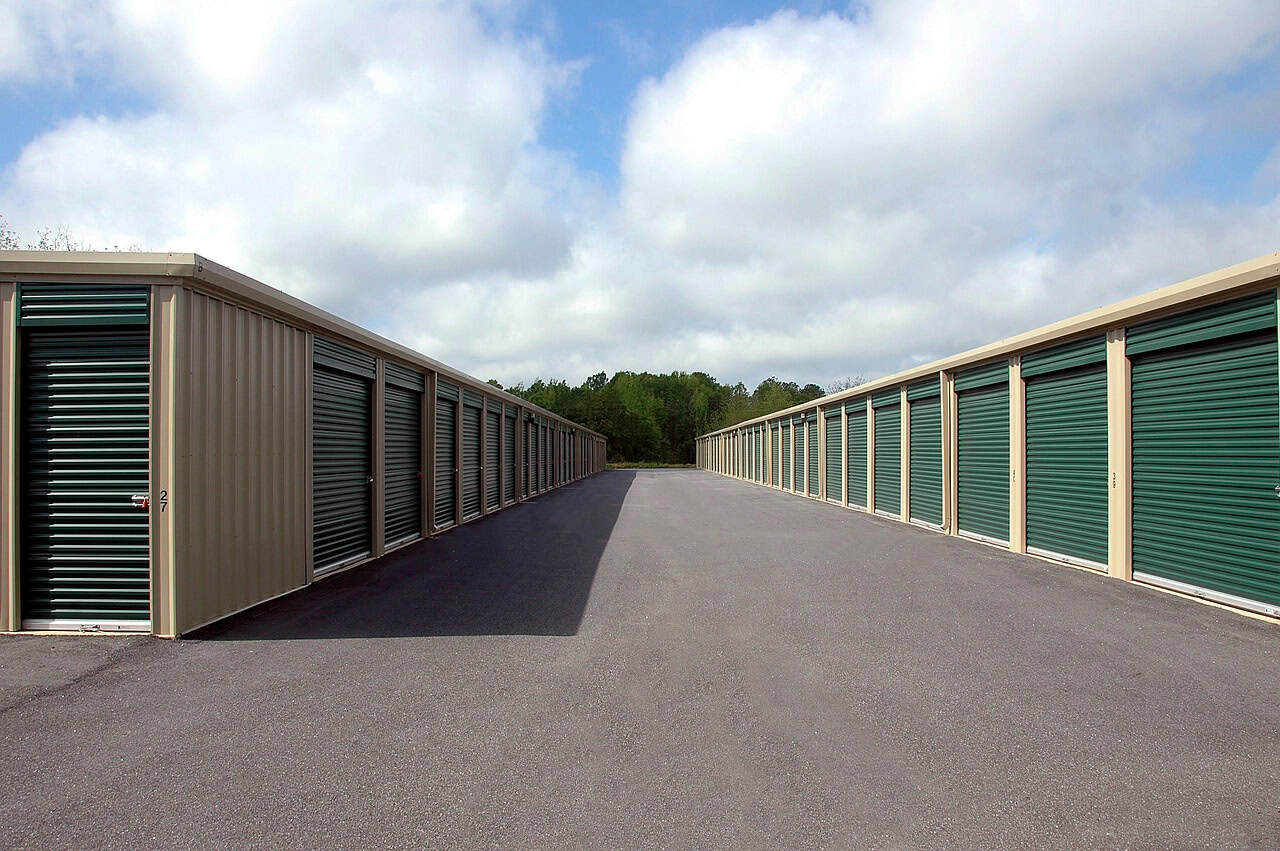
Standard storage units in Singapore typically run $80–$200 per month in 2026, depending on size, location, and facility quality. These units are adequate for robust, non-sensitive items where environmental exposure carries minimal consequence.
Air-conditioned storage units run $150–$400 per month for comparable sizing. The premium reflects the operating cost of continuous HVAC systems, tighter building envelopes, and the facility management overhead of maintaining consistent environmental conditions.
The cost-per-risk calculation shifts dramatically once you account for replacement values. A $200/month aircon unit protecting $10,000 worth of furniture, electronics, and personal effects represents a 2% monthly insurance premium. A $100/month standard unit that results in $3,000 of mould or warp damage after four months delivered a negative return on the saving.
For business users, the calculus is clearer still. Inventory damage is a direct hit to margin. Product returns tied to storage conditions are traceable, costly, and avoidable. The difference between a $150 and $250 monthly unit cost disappears against a single batch of damaged stock.
Pricing also varies by unit size. A small 20–30 sq ft aircon locker suitable for boxes and small furniture may start from $150/month, while larger units of 100–150 sq ft for full-household storage or business inventory will sit in the $250–$400 range. Always compare like-for-like sizes and check for promotional first-month rates, which most reputable Singapore providers offer.
What to Look For When Choosing an Aircon Storage Provider
The term “aircon storage” is applied loosely by some facilities. Before committing, there are several factors worth scrutinising.
Does the facility maintain verifiable temperature and humidity data?
A quality climate-controlled provider monitors and logs environmental conditions continuously. They should be able to confirm the target temperature and humidity range maintained in their units. Vague assurances of “cool storage” without specific figures are a warning sign.
What are the access hours and security standards?
24-hour access matters for business users managing inventory. For residential customers, extended hours — typically 7am to 11pm at minimum — are important. Security should include CCTV throughout, individual unit alarms, and access control systems rather than a simple padlock.
Is the HVAC system central or unit-level?
Central HVAC covers entire floors or zones, while some facilities install unit-level systems. Neither is inherently superior, but central systems in well-maintained facilities tend to deliver more consistent conditions. Ask when the HVAC was last serviced.
Several well-known names operate in the Singapore market. StorHub offers aircon storage across multiple locations in Singapore. Extra Space has established facilities with climate-controlled options. Storefriendly markets a range of storage products including temperature-managed units. Each has different pricing structures, access policies, and facility ages — worth comparing directly based on your location and requirements.
For specialist wine and temperature-sensitive storage, our guide — Wine Storage Singapore: Climate Control, Security & What It Really Costs (2026) — covers climate requirements, humidity control, and real costs for wine cellaring in Singapore.
Disclaimer: BrickHub is one of multiple storage providers operating in Singapore. Competitors mentioned above are included for reference purposes only. This article does not constitute an endorsement or recommendation of any third-party provider. Readers are encouraged to compare options independently.
BrickHub Climate-Controlled Storage
BrickHub is a Singapore self-storage and e-commerce fulfilment provider offering fully air-conditioned storage units designed to handle the demands of Singapore’s tropical climate.
BrickHub’s climate-controlled units maintain stable temperature and humidity levels year-round — protecting furniture, electronics, business inventory, and personal collections from the heat, humidity, and mould risk that standard storage cannot address. Units are available in a range of sizes to suit individual, household, and business requirements.
For e-commerce sellers and SMEs, BrickHub also provides fulfilment services alongside storage — meaning your inventory can move directly from climate-controlled holding into order processing without the handling overhead of separate facilities. This makes BrickHub particularly useful for growing e-commerce operations that need reliable storage conditions and logistics support in one place.
If you’re searching for a reliable aircon storage solution in Singapore for both personal and business use, BrickHub offers transparent pricing, professional facility management, and the peace of mind that comes from a purpose-built climate-controlled environment.
Visit brickhubsg.com to view available unit sizes, current pricing, and to request a quote.
🏆 Singapore’s Leading Ecommerce Fulfilment Partner — Self Storage, 3PL & Last Mile Delivery | Rated 5⭐ on Google | Trusted by 200+ Singapore Ecommerce Sellers
Conclusion: Don’t Let Singapore’s Climate Make the Decision for You
Singapore’s environment is not forgiving of complacency. Humidity, heat, and the conditions that accelerate mould, warping, corrosion, and degradation are present year-round — and they act slowly enough that the damage isn’t obvious until it’s done.
Climate-controlled storage in Singapore is not a luxury tier. For anyone storing items of meaningful value — whether personal, sentimental, or commercial — it’s the sensible baseline. The $50–$100/month premium over standard storage is recoverable. Warped furniture, corroded electronics, or mouldy documents are not.
BrickHub offers climate-controlled units built for Singapore’s climate, with options for both residential storage and business inventory. If you’re ready to store your belongings properly, get in touch with BrickHub to find the right unit for your needs.
Frequently Asked Questions
What is aircon storage in Singapore and how is it different from regular self-storage?
Aircon storage, also called climate-controlled or air-conditioned storage, maintains a consistent temperature (typically 22–25°C) and humidity level (below 60%) inside the storage unit. Standard self-storage units in Singapore have no climate regulation — they’re exposed to ambient temperatures and humidity, which in Singapore’s tropical environment can reach 34°C and 90% humidity. For sensitive belongings like electronics, wood furniture, leather goods, artwork, and business inventory, the difference in outcomes between the two options can be significant.
How much does aircon storage cost per month in Singapore in 2026?
Air-conditioned storage in Singapore costs approximately $150–$400 per month in 2026, depending on unit size and facility location. Standard storage without climate control runs $80–$200/month. The premium reflects the operating cost of continuous HVAC systems and tighter environmental management. For most users storing items of meaningful value, the additional cost is well justified by the protection provided.
What items should definitely be stored in climate-controlled storage in Singapore?
Electronics (laptops, cameras, gaming consoles), solid wood and veneer furniture, leather goods, artwork and canvases, wine and spirits, musical instruments, important documents and photographs, watches and jewellery, and e-commerce inventory — particularly cosmetics, supplements, and packaged goods. Essentially, any item that can be damaged by heat, humidity, or mould should be in climate-controlled storage in Singapore’s environment.
How long does it take for mould to develop in a non-climate-controlled storage unit in Singapore?
In Singapore’s climate, mould can begin to develop on organic materials — clothing, leather, wood, paper — within 2–4 weeks in a poorly ventilated, high-humidity environment. Storage units in non-climate-controlled facilities can trap moisture and stagnant air, creating conditions where mould growth accelerates. For any storage period exceeding two to four weeks, climate control is strongly advisable for sensitive materials.
Is climate-controlled storage in Singapore worth it for short-term storage of one to three months?
Yes — particularly in Singapore, where even short-term exposure to high humidity can cause mould growth, warping, and corrosion. A one-month renovation storing wooden furniture, mattresses, and electronics in standard storage carries meaningful risk. The marginal cost of upgrading to aircon storage for one to three months is typically $50–$150 total — a reasonable insurance cost against the risk of damage to belongings worth considerably more.